archive.php
In an unexpected corner of the Mediterranean, where the blue sea can be glimpsed amid reddish ridges and rolling pine forests, lies a paradise that, although it may seem like a desert, is not one.  

The Desert de les Palmes Nature Reserve, just a few minutes from Castellón and Benicàssim, offers so much more than just a network of trails. It’s a refuge for the soul, a sanctuary of nature, history and spirituality, inviting you to disconnect… or reconnect, as you wish.

Spanning almost 3,200 hectares, this park is one of those places that radiates a special energy. Here, the paths not only lead you from one place to another, but also inward. Join us on a step-by-step, stone-by-stone tour of this magical place to find out why it should be on your next getaway list.
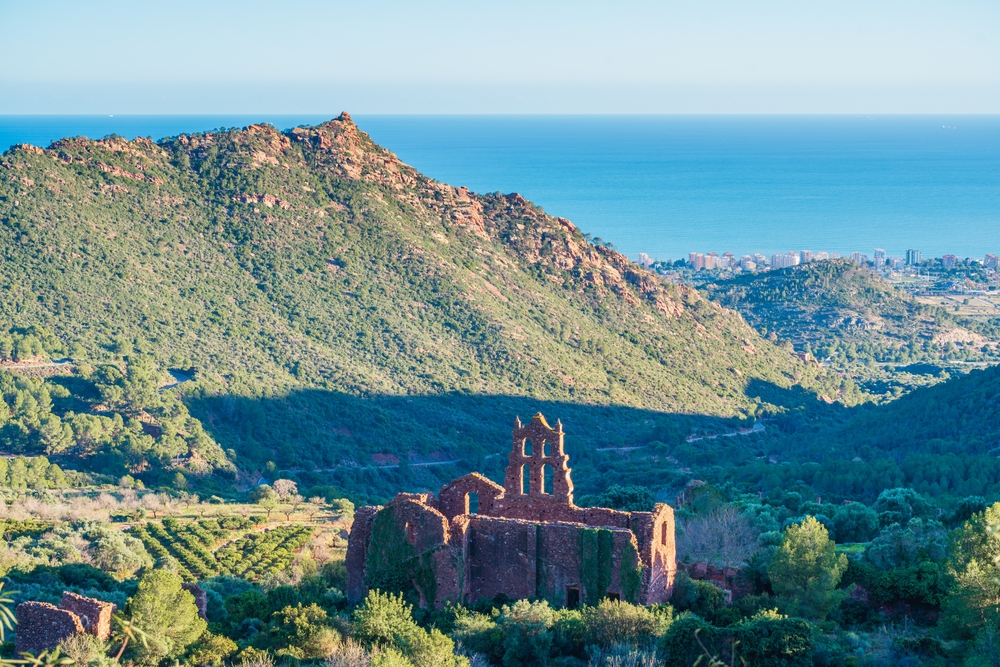
Desert de les Palmes Castellon

A “desert” that is not arid, but sacred

The first thing that strikes you about the Desert de les Palmes is its name: it isn’t actually a desert in the climatic sense of the word. The word “desert” refers to the spiritual retreats initiated here by Carmelite monks in the 17th century. They came seeking solitude, silence and spiritual elevation, and they found it in these serene mountains covered in palm trees (“palmes”), which defy any clichés about the aridity of the Mediterranean.

Even today, the ruins of the old Carmelite convent, destroyed by an earthquake in 1783, and the new monastery —still used by the order— preserve this spirit. You may encounter silent visitors walking respectfully as if the history of the place were whispering to them through the stone walls and cypress trees.

Hiking trails for body and mind

One thing that really defines the Desert de les Palmes is its network of trails. There are routes for all levels, but they all have one thing in common: breathtaking views and a calming atmosphere.

  • The route to the Bartolo peak (729 m) is undoubtedly the most emblematic. Pico Bartolo, crowned by a huge antenna and a small hermitage, is the park’s highest point. From there, on clear days, you can see the sea, the Columbretes Islands, the Cape of Oropesa and, inland, the Sierra de Espadán. The climb is not difficult, but you have to be reasonably fit. You can start from the Collado de la Mola, in Benicàssim, or from the Old Desert. The rewards are along the way: butterflies, mastic trees, ferns, and in spring, a symphony of wildflowers.
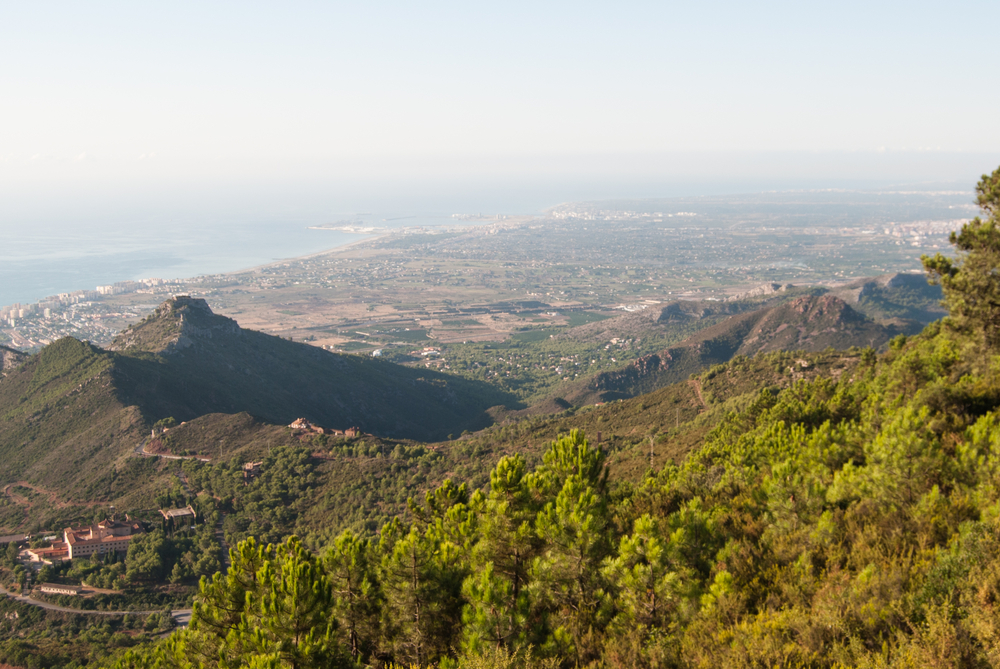
pico Bartolo
  • The Senda de les Santes leads from the park to the sea, crossing ravines and pine forests to reach the hermitage of Les Santes, a hidden gem among cork oaks. This route is ideal if you are looking for tranquillity away from busy routes. It’s also perfect for picnics in an almost mystical environment.
  • Those who prefer gentler walks can explore the ruins of a medieval fortification on the path to Castell de Montornés, surrounded by the scents of thyme and rosemary. A perfect plan at sunset.

Spirituality between stones and sky

You don’t have to be religious to sense the spiritual energy of the Desert de les Palmes. The silence, the way the light filters through the pines and the sound of the wind rustling through the leaves all invite us to stop, look and breathe. Many hikers say they feel “renewed” after walking here. Could it be the pure air, the landscape, or something else?

The Carmelite monks chose this secluded spot because they believed that nature offered the best opportunity to experience transcendence. That philosophy is still alive in every corner of the park today. Some visitors walk it like it’s a shorter version of the Camino de Santiago, taking slow, purposeful steps to disconnect from the digital world and reconnect with nature.
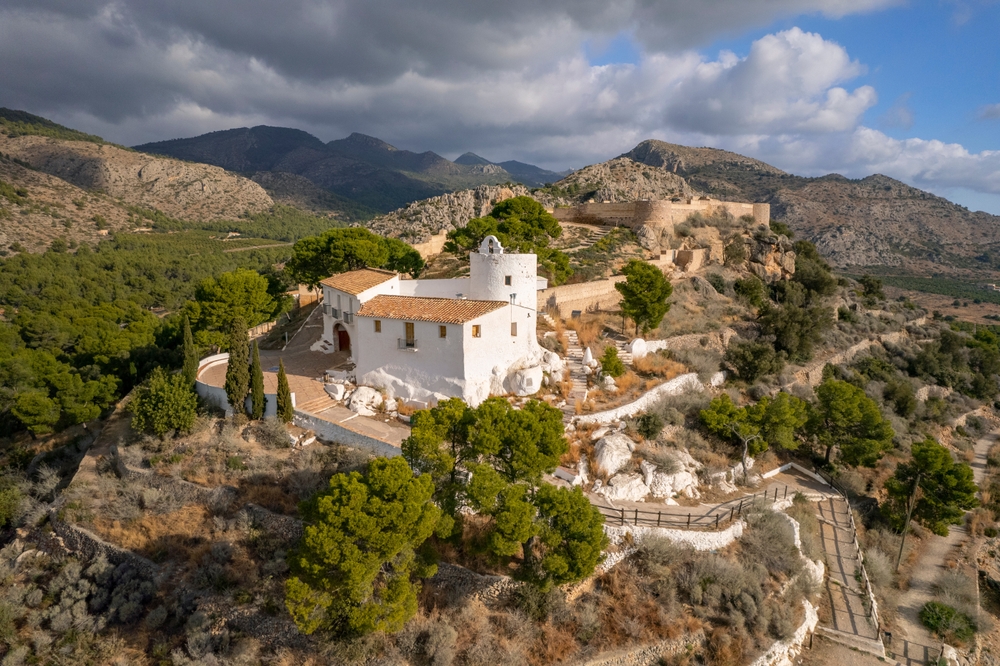
Ermita La Magdalena
Hermitage La Magdalena

A geological balcony overlooking the Mediterranean

The Desert de Les Palmes is not only a green paradise. It also features red, ochre and violet hues. The terrain comprises ancient rock formations dating back more than 200 million years, which are still evident today. The landscapes change in tone at every turn, as though they were the brushstrokes of a restless artist.

This geological richness also makes the park an open-air classroom. From the red sandstone strata to the volcanic and limestone formations, the landscape tells the story of the passage of time and the Earth’s complex history. It is a visual feast for lovers of geology or simply amazing landscapes.

How to get there, when to go and what to bring

One of the Desert de les Palmes’ greatest advantages is its accessibility. Castellón is only a 20-minute drive away, and it is also easily accessible from Benicàssim. There are car parks at various points around the park, as well as several signposted access points.

  • Best time to visit: spring and autumn are ideal, with mild temperatures and more flowers in bloom. You should avoid the middle of the day in summer.
  • What to take: comfortable walking shoes, plenty of water (there are no water sources along the route), food if you’re planning to spend the day out, a sun hat, sunscreen… and don’t forget to be open to being surprised!
  • Extra recommendation: check the routes on the website of natural parks of the Generalitat Valenciana or at the tourist information offices in Castellón and Benicàssim. There are guided tours, activities for families and special programmes on specified dates.

A getaway that will transform you

You may not notice it at first. You are likely to arrive at the Desert de les Palmes expecting a pleasant walk among pine trees. But when you look back from any viewpoint or take a breath under a lone oak, you’ll see that this park has a lot more to offer than just hiking.

It brings silence to a noisy world. A horizon away from the bustle. Beauty without filters or likes. And even spirituality for those not searching for it.

You don’t have to conquer the Desert de les Palmes: you simply walk and breathe, and feel grateful.

The province of Castellón, in the Autonomous Community of Valencia, is one of those places that will amaze you with its diversity and authenticity. The Columbretes Islands are one of the treasures hidden in this territory.

Castellón: a year-round destination

Lapped by the waters of the Mediterranean and surrounded by mountains and natural parks, Castellón is ideal for anyone wishing to switch off from the hectic pace of city life and reconnect with nature, culture and the tranquillity of the sea. Its mild climate all year round, its charming towns along the coast and inland, its pristine beaches and its delicious cuisine make this province a perfect location to enjoy, whatever the season.

Nature, culture and coast: something for all tastes

Castellón has something to suit all tastes: from walks in the Desert of Palms Natural Park or the Sierra de Espadán, to cultural trips to places such as the castle in Peñíscola, the walled city of Morella or the old town in the provincial capital. And for sea lovers, the hidden coves, water sports and marine landscapes invite you to explore a Mediterranean that remains untouched in many spots.

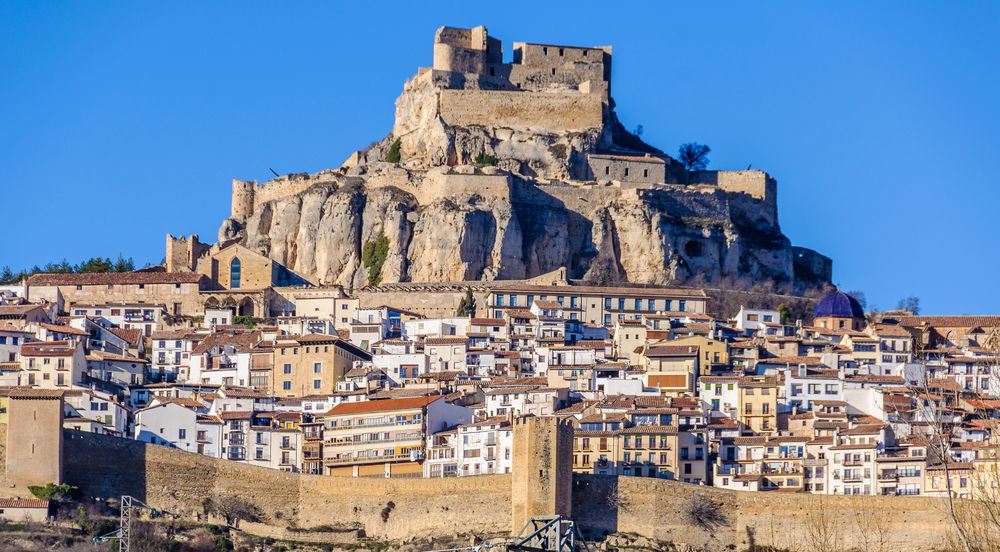
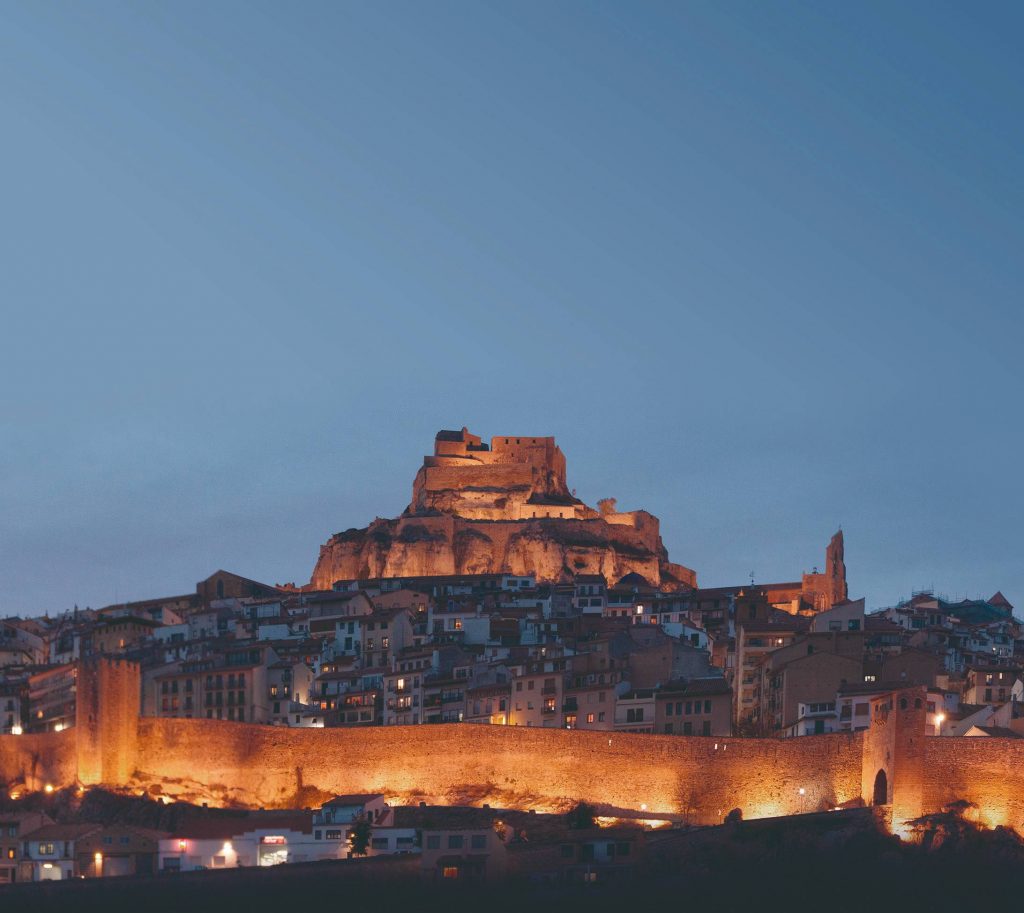
panorama Morella
Morella

A hidden gem in the Mediterranean

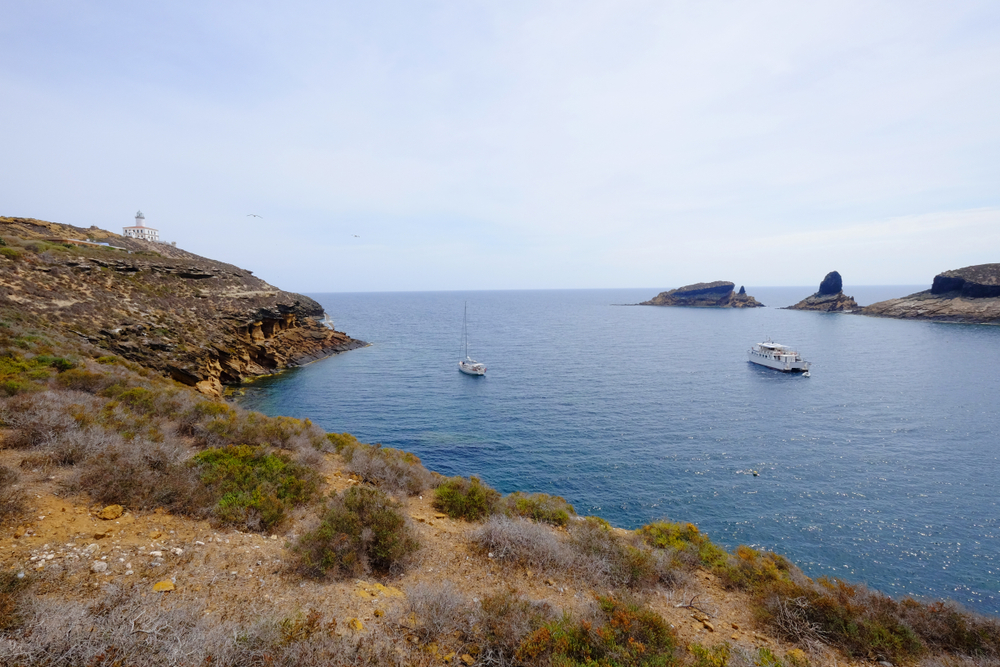
Right in the Mediterranean, just a few dozen kilometres off the coast of Castellón, you can still find natural paradises that not many people know about, with a stunning wealth of flora and fauna. One of the finest examples is the archipelago of the Columbretes Islands, a magical place where nature takes its course with hardly any human intervention.

The Columbretes Islands: their volcanic origin and biodiversity

The Columbretes Islands are a group of small islets of volcanic origin, lying around 50km off the coast of Castellón. Designated a Natural Reserve and Marine Reserve, these islands are an important sanctuary for biodiversity. Their isolation has allowed a unique ecosystem to survive both on land and underwater. The largest island, Illa Grossa, is the only one you can visit, with permission and accompanied by expert guides, ensuring the preservation of this very fragile environment.

islas columbretes

What to do on the Columbretes Islands

One of the most authentic experiences to be enjoyed on the Columbretes is a boat trip from the harbour at Castellón, Oropesa or Alcossebre. You can enjoy being at sea and the spectacular views as you approach the islands. Once there, taking a guided tour of the Illa Grossa is a must: you can stroll along its volcanic paths, spotting birds such as Eleonora’s falcon or discover the history of the lighthouse that still dominates the island. For those keen on diving and snorkelling, the crystal-clear waters surrounding the islands offer an unforgettable underwater spectacle, with lava sea beds, seagrass meadows and a wide variety of marine species.

Useful tips for your visit

The best time to visit the Columbretes Islands is between the months of May and October, when the climate is more stable and sailing conditions are at their best. Staying overnight on the islands is not permitted, as they are protected, and they have no restaurants or accommodation facilities. So it’s essential to plan your trip well, using one of the authorised companies that run day trips from the mainland. These tend to include a boat trip, the guided tour and, in some cases, time to go for a swim or do some snorkelling.

panorama columbretes

For the more adventurous or sea lovers, there are also special trips for certified divers who want to explore the rich sea life in this unique spot. Booking in advance is recommended, especially in high season.

Come and discover the essence

The Columbretes Islands are much more than your usual destination; they’re an experience that connects you with the pure essence of the Mediterranean. Come and discover this natural paradise, where time stands still and nature has its own voice. Because sometimes, the real gems are hidden in plain sight, floating in the endless blue of the sea.

When we think of Castellón, the image that comes to mind is usually associated with its beautiful Mediterranean beaches. But the province harbours a less well-known but equally charming treasure: its mountainous interior, dotted with delightful towns where time seems to stand still. Along this route, we’ll be exploring some of the loveliest spots, where history, culture and nature go hand in hand to create the most stunning landscapes.

1. Morella: the medieval heart of Castellón

Imposing and majestic, Morella is the medieval jewel of Castellón. Surrounded by impressive city walls and crowned by a castle, this town takes you back to another era. Strolling through its narrow cobbled streets, visiting the Basilica of Santa María la Mayor with its magnificent baroque organ, or tucking into the local products such as flaó (a typical dessert) are good enough reasons for including it on your list. And make sure you admire the views from the castle; they’ll take your breath away!

Morella Castellon

2. Villafamés: art, history and nature

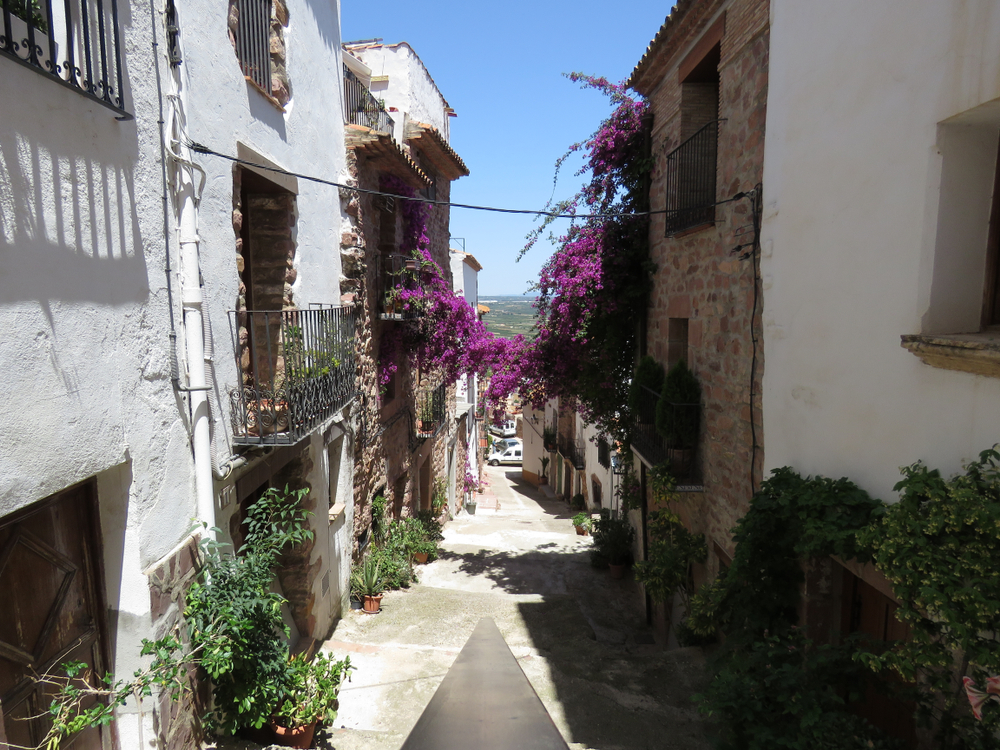
Villafamés is a must for lovers of photography. Its old town, with its winding streets and houses painted white and ochre, features the iconic “Roca Grossa”, a huge rock that seems to defy the laws of gravity. Villafamés is also known for its Museum of Contemporary Art, which houses an interesting collection within a unique setting. After a day exploring the town, there’s nothing better than enjoying the peaceful natural surroundings.

Villafames calle casas blancas bouganville

3. Culla: the essence of Alto Maestrazgo

Declared a Site of Cultural Interest, Culla is a town that seems to have stepped right out of a storybook. Its cobbled streets, its medieval architecture and its history as part of the Order of the Temple make it a truly charming place to visit. From here you can explore the surrounding area of Alto Maestrazgo, combining stunning landscapes with deep-rooted traditions. Make sure you visit the Astromaestrat, an astronomical observatory from where you can gaze at one of the clearest skies in the region.

Culla Castellon panorama montañas

4. Ares del Maestrat: looking far and beyond

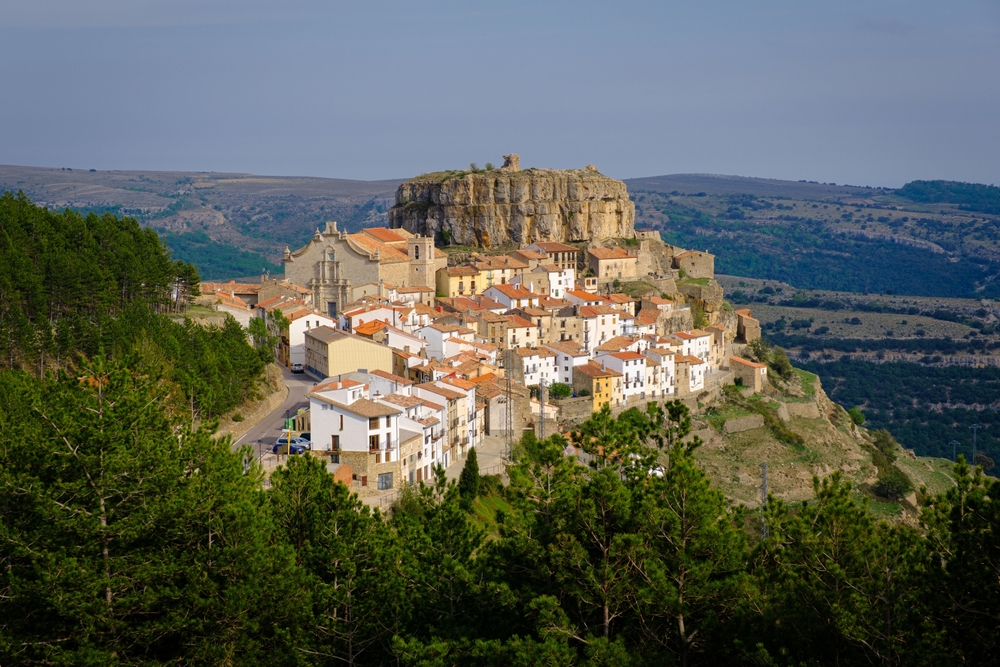
Standing right on top of a hill, Ares del Maestrat offers spectacular views that seem to go on forever. Its historical setting is full of charming sights, such as the porticoed Plaza Mayor or the ancient washhouse. In the surrounding area, the Mola d’Ares mountain is an ideal place for hikers and nature lovers, with paths leading you into unique landscapes and impressive rock formations.

panorama Ares del Maestrat

5. Peñíscola, beyond the beaches

Whilst famous for its coast, the old part of Peñíscola is well worth a mention. Built on a rocky peninsula, its narrow cobbled streets lead to the imposing Castillo del Papa Luna, a castle with stunning views of the sea. In winter, when there are fewer tourists, Peñíscola becomes a quiet haven where you can feel the true essence of the Mediterranean.

peñiscola detalle iglesia

6. Montanejos: where the water and mountains meet

Known for its natural thermal springs, Montanejos is a perfect destination for nature lovers and anyone seeking a bit of relaxation. The waters of the Mijares river, crystal clear and a constant year-round temperature, are ideal for a rejuvenating dip. The surrounding area offers hiking routes featuring some truly beautiful spots, such as the Maimona Canyon, immersing you in nature.

rio agua termal Montañejos

A journey into the soul of Castellón

Inland Castellón invites you to rediscover the joy of losing yourself, of walking around at leisure and connecting with history, nature and its people. Each of these towns has something special to offer, from castles and quaint streets to breathtaking scenery.

So hurry; pack your bags and embark on this adventure! Castellón will welcome you with open arms and endless gems to discover.

Located in the picturesque province of Castellón, Peñíscola is a multi-faceted destination, where history, gastronomy and nature combine to offer a unique experience. Aside from its conventional tourist appeal, this town holds secrets that invite you to explore every inch of it and soak up its lesser-known charms.

Discovering the historical labyrinth of Peñíscola

Stepping into the winding cobbled streets of Peñíscola’s old town is like taking a journey through time. The legacy of Pope Luna (Pedro Martínez de Luna, who acted as pope from 1394 to 1423) is palpable in every corner, from the imposing city walls to the houses with their age-old façades. The iconic Papa Luna Castle, witness to countless battles and legends, overlooks the coast from the top of a rocky peninsula, with stunning views of the Mediterranean. The Bufador (blowhole) is just as enchanting, a magical enclave where the sea shows its power on stormy days, creating a natural spectacle and a sight worth seeing.

peñiscola casco historico

The unique charm of the Casa de las Conchas (House of Shells), with its façade adorned with seashells, invites you to stop and admire the artistry of the local architecture. Every narrow street and square harbours tales waiting to be revealed to curious visitors as they take a leisurely stroll around this historical labyrinth.

Peñíscola: a film set

The town is not only a destination for history lovers, but also for film buffs who are keen to explore the iconic film locations. With its medieval architecture and spectacular coastal scenery, Peñíscola has been the chosen location for various national and international film productions. From the walls of the Papa Luna Castle to the cobbled streets of the old town, every corner of the town has been immortalised on the big screen.

faro peñiscola

Here are some examples of classic movies and shows that have been filmed in this part of the province of Castellón:

  • The film Calabuch (1956) by Luis García Berlanga
  • The film El Cid (1961) by Anthony Mann, starring Sophia Loren and Charlton Heston
  • The series El Chiringuito de Pepe (2014), starring Santi Millán and Jesús Bonilla
  • The epic fantasy series Game of Thrones (2015)

The nature surrounding Peñíscola

But Peñíscola is not just about history and cinema; its natural surroundings are equally captivating. The vast beaches, such as the iconic Playa del Nord, and the scenic coves on the southern coast blend harmoniously with the imposing Sierra de Irta nature park, offering the perfect setting for hikers and nature lovers.

Exploring the hiking trails in the Sierra de Irta is an adventure into a world of unspoiled landscapes and breathtaking views. The lush Mediterranean vegetation is interrupted by signs of the area’s history such as the Badum Tower, silent witnesses of times past. Whether you’re enjoying a gentle stroll along the shore or tackling the heights of the sierra, the nature surrounding Peñíscola offers an enriching experience to all who come here.

Come and discover Peñíscola in all its facets

Peñíscola is much more than just a tourist destination; it’s a place that invites you to soak up its history, explore its natural landscapes and discover its most characteristic corners. 

peñiscola vistas

Whether you’re wandering through the streets of the old town, taking a tour of the film locations or exploring the trails of the Sierra de Irta, every experience in Peñíscola promises to be unique and unforgettable. Don’t miss the chance to discover this hidden gem in the Autonomous Community of Valencia and enjoy everything it has to offer.

A province full of contrasts awaits you beyond the doors of Castellón Airport. Explore its coastline and inland regions, and let the history and customs of this wonderful destination take you by surprise.

DAYS 1 AND 2: NORTH OF CASTELLÓN

  • One of the first potential stops on the tour is Vinaròs, where you can relax in picturesque coves, explore the old town, and taste some delicious local cuisine.
  • Next, we have Alcalà de Xivert/Alcossebre. This location is so special as it’s so close to the sea and mountains, meaning you can go hiking on incredible routes through the Sierra de Irta or sit back and relax on natural coves and beaches too.
  • If you prefer the inland, you should definitely head to Culla, which is steeped in history, tradition and culture. 
  • And you can’t forget about Peñíscola either. You have to see this beautiful town for yourself. With the Papa Luna castle as a backdrop, your photos will turn into unforgettable memories. 
  • Also, you need to visit the colourful and sunny seaside town of Torreblanca before you head back home.
peñiscola valencia
Peñiscola

DAY 3: ELS PORTS

Set aside a day in your itinerary to discover the beautiful inland countryside and small towns.

  • You’ll fall in love with Morella, the capital of Els Ports, the second you step inside its medieval walls.
  • Another inland destination you should visit is Forcall, nestled in between the mountains of an idyllic countryside. 
  • You should also pay a visit to Ares del Maestrat, which boasts an unrivalled history, and natural and cultural riches. 
morella castellon
Morella

DAY 4: BACK TO THE COAST

  • Stop in Oropesa del Mar to take in their natural beaches and wild and rough cliffs.
  • The green route will guide you from here to Benicàssim. This journey along the Mediterranean coast will lead you to untouched coves and then to Benicàssim, where you can get a real sense of its culture, music and relaxed atmosphere everywhere you go. 
  • But if the inland is what you want, drive over to Vilafamés, which has been the beloved home of painters and bohemians alike since the 1970s. 
  • To round off day four, we’ll stop by Castelló de la Plana. Sea, orchards, mountains, history, culture… they’ve got it all! Explore its historical centre, visit its museums, and stroll down its streets. Have some fun at its beaches and taste the local market’s best rice dishes and fresh fish.
ruta verde benicassim
Green route between Oropesa and Benicàssim

DAY 5: COOL OFF INLAND

  • The inland region is full of endless surprises such as Montanejos, where nature and, above all, water are at the forefront. Why not go for a little swim in the river? 
  • Another place you should explore is Navajas. Here, you’ll be welcomed by a large, hundred-year-old elm tree, and if you walk over to the famous Salto de la Novia, you’ll find an enormous waterfall.
navajas castellon
Navajas

Castellón is a land of contrasts; a place where the sea and the mountains come together in perfect harmony. The province of Castellón is located to the north of the region of Valencia. It has a rugged landscape, with high mountains reaching from the interior to the shores of the Mediterranean Sea. A great way to explore this destination is on a bike, giving you the freedom to take in the surroundings and enjoy the experience at your own pace.

Castellón offers cyclists a whole host of opportunities. There are four mountain bike centres here, each with over 350 kilometres of marked trails as well as cycle equipment and support services for cyclists. They offer cycling for all levels, from beginners’ trails suitable for families to demanding routes for more experienced riders. The “Trans-Castellón Trail” is a real highlight: 512.20 kilometres long and with a total ascent of 12,150 metres, it forms a loop made up of several stages around the entire province. The trail is designed so that each cyclist can tailor their own itinerary, choosing the distance they want to cover as well as their own starting point.

If you’re interested in road cycling, Castellón is the perfect place for cycle tourism, which is an increasingly popular family activity. Castellón offers 31 cycle touring routes for all abilities. The “Azahar Route” crosses the province from north to south, following the coastline, and is well worth doing. The route is not for the faint hearted: the road is practically flat the whole way so there are no big ascents or mountain passes to deal with, but cyclists wanting to take it on will need to be ready for the 130 kilometres ahead of them.

https://youtu.be/7af_rwL4U4o

The best way to get to Castellón is via its airport, which is located near the province’s main tourist destinations and only an hour away from the city of Valencia. It is a modern, comfortable airport offering quick and easy check-in and boarding, as well as free parking for users.

The province of Castellón is the perfect destination for cyclists, bringing together all the necessary ingredients: climate, nature, landscapes, facilities… all you need is to want to explore the landscape in an original, sustainable way. One thing’s for sure – you’ll come home with a backpack full of Mediterranean memories!

Step through the doors of Castellón airport into a land with a rich and varied gastronomy built on the quality of its produce, both on the coast and further inland.

There’s a reason Castellón is considered the capital of the Mediterranean diet: eating well is in the local’s DNA.

Today, we’d like to introduce you to an initiative promoting the local gastronomy of this splendid coastal region – and we’re sure you and your palate will love it.

Taste the Excellence of Castellón’s Gastronomy

Imagine savouring a breakfast of toasted bread with Millennial olive oil in a farmhouse, enjoying some fish and rice in an amazing restaurant overlooking the Mediterranean, or celebrating a toast with an amazing wine on a beautiful balcony.

Castelló Ruta de Sabor (or ‘Castellón Taste Trail’) is a label of quality you can rely on to spot the best home-grown products from the province of Castellón, the very same local delights you’ll find served to you by top professionals.

The local delicacies of the Taste Trail

If you’re wondering what you’ll be sampling on your trip to Castellón, here are some of the main quality products certified under the ‘Castelló Ruta de Sabor’ label.

  • Olive oil made using traditional methods and local varieties of olive, of particular note those made with Millennial olives.
  • Mineral water from natural springs such as Benassal, Catí, Bejís or Almedíjar, all with positive health benefits.
  • Meats and cold-cuts made using recipes handed down over generations.
  • Local fruit; not just the coastal region’s renowned and highly sought-after oranges and tangerines, but also melons, cherries, and a whole range of Mediterranean fruits too. 
naranjas castellon
  • Greens and nuts (of which the Protected Designation of Origin Benicarló artichoke deserves an honorary mention), alongside tomatoes and nuts like almonds and hazelnuts.
  • Artisan liqueurs, made from the same fruits and herbs they’ve been distilling for hundreds of years.
  • Craft beers popularised by young entrepreneurs, who are making good use of the land’s spring waters and local produce.
preparacion cerveza artesanal
  • Guilds of fishers who bring fresh fish and seafood back from our very own Mediterranean Sea, which fly off the stands of the local market straight into the best restaurants.
  • World-renowned prizewinning cheeses, not just from sheep but also from goats and cows. Nougats made following traditions dating back to the middle ages, or traditional baked goods, like the scrumptious ‘Rosquilletas’, a kind of bread stick.
  • And how could we forget the highly exclusive black truffles, characteristic of our inland regions? 

Dining Recommendations

Restaurateurs dedicated to the region can rest assured that certified local products have been used to prepare their meals. These innovative professional chefs know how to make the most of the products on their doorsteps, ensuring your gastronomic experience in the province lingers on your palate.

If you’d like to learn more about these must-visit restaurants for enjoying an exquisite meal in Castellón, pay a visit to the Castellón Taste Trail’s list of establishments serving gastronomic excellence.

And to Drink?

The Castellón Taste Trail also boasts wineries under their label. They may be small, but these are true virtuosos producing unique wines naturally finding their way onto wine-tasters’ essential lists year after year, which you can easily find on the menus of restaurants across the Valencia Region.

Now we’ve got your mouth watering, be quick and book your flight to Castellón and get ready for a food and wine experience you’ll never forget!

Do you want to enjoy the Mediterranean flavour? Fly to Castellón Airport and discover a province with more than 300 days of sunshine. Located in the North of the Region of Valencia, the perfect union between the mountains and the sea can be found in Castellón, which offers something for everyone. Calm places for the whole family to enjoy, go golfing or just relax. Enjoy cultural visits and locations full of history. Impressive festivals that’ll get your blood pumping. Amazing beaches and wonderful trips to beautiful villages where you can taste true delicious Mediterranean cuisine. You still have a lot to discover!

SHALL WE INSPIRE YOUR NEXT TRIP?