archive.php
With the fragrances of the Mediterranean scrub and the melodic sound of the waves, the AOC region of Ajaccio invites you on a journey of the senses, through golden sands and vineyards cultivated on granite soil: a Sciaccarello rosé at sunset, the taste of Corsica captured in a glass.

In the heart of South Corsica, surrounded by the gentle slopes of the granite hills overlooking the Mediterranean, lies Ajaccio: a charming destination that combines the powerful presence of the sea with the elegance of an exceptional winegrowing industry. The area of Ajaccio AOC, formerly Coteaux d’Ajaccio, stretches across vines planted at around 500 metres above sea level in a terroir of granite soil basking in more than 2,700 hours of sunlight per year and cooled down by the sea and mountain breezes. This combination of natural elements produces wines with a clear identity and an authentic Mediterranean personality.

viñedo cerca de Ajaccio

The region, bordering the sea and immersed in the fragrance of the Mediterranean scrub, combines picture-postcard scenery, whiter-than-white beaches and hidden coves, with vineyards with centuries of winegrowing tradition. A place where travel becomes a sensory experience, where there’s a story to be told in every sip and the views pan out from vineyards to beaches.

The typical wines of Ajaccio: Sciaccarello & the others

At the heart of the production is Sciaccarello, an aromatic red grape variety considered the jewel in the crown of Corsican winegrowing. This variety, grown predominantly in this area, produces elegant, spicy and fragrant red and rosé wines, with aromas of red berries, spices, tobacco and wild flowers. Red Ajaccio wines are medium-bodied, with a soft but robust structure, and are lighter in colour than other reds; they can be aged for 4 to 6 years and should be served at 15‑17°C.

The AOC standards specify that the red or rosé wines must contain at least 60% Sciaccarello (or at least 40%, varying according to sources) and that the remainder must be made up of Niellucciu, Vermentino, Grenache, Cinsault and Carignan (the latter no more than 15%). The white wines are mainly produced from Vermentino, sometimes blended with Ugni Blanc, Biancu Gentile and other local varieties: they produce fine, fresh, aromatic wines with notes of citrus, green apple, white peach and Mediterranean herbs.

copa de vino sciaccarello

Overall, Corsican wines, including rosés, are popular for their mineral freshness, their fruity vibrancy and lively character. If you would also like to discover the wines typical of North Corsica, read our article on the wine routes from Bastia.

Tours of vineyards, wineries and Mediterranean views

1. Ajaccio vineyard tour

Start off with a tour of the vineyards overlooking the turquoise waters lapping the coast, to explore the Ajaccio AOC within the fragrant landscape of the Mediterranean scrub.  

2. Visit to iconic wineries

Just a few kilometres outside of the city, wineries such as Domaine Comte Peraldi or Domaine de Pratavone offer tasting sessions against idyllic backdrops, with vineyards and traditional farmhouses overlooking the sea.

3.  Sensory tastings

The wineries welcome their guests not just as tourists but as tasters: tasting an elegant red Sciaccarello, with aromas of flowers and spices, or a fresh white Vermentinu, with citrus notes and herbaceous hints from the wild Mediterranean scrub.

4. Food and wine experience

In the hills you can make a stop in small villages with local restaurants serving wholesome dishes: Corsican charcuterie, brocciu cheese, soups, stews, chestnut polenta; typical ingredients washed down nicely with a glass of full-bodied red or a crisp rosé.
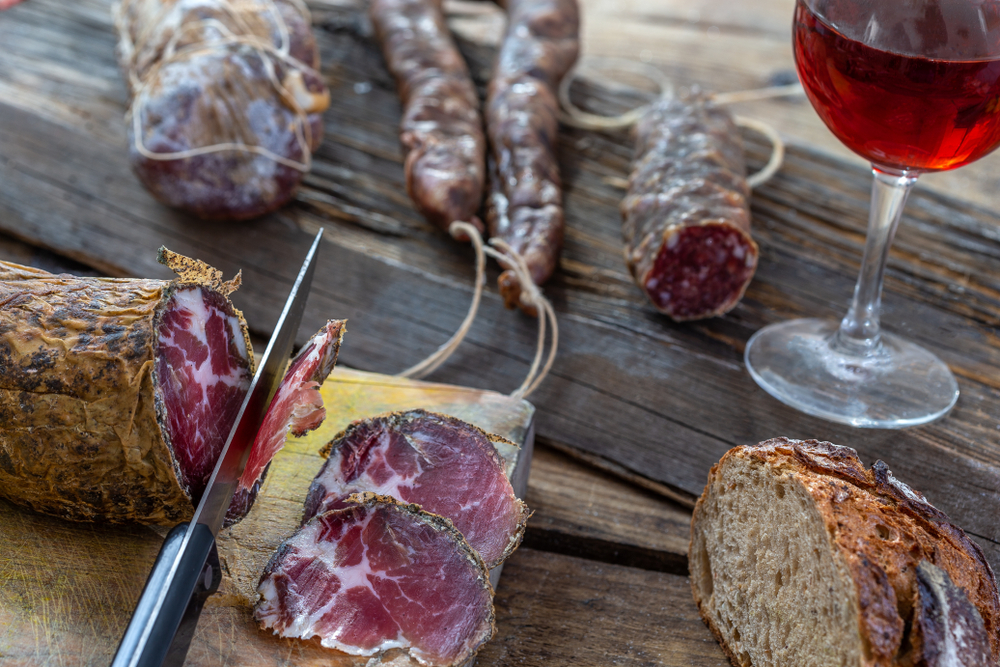
embutios corcega

5. Beaches and a sundowner

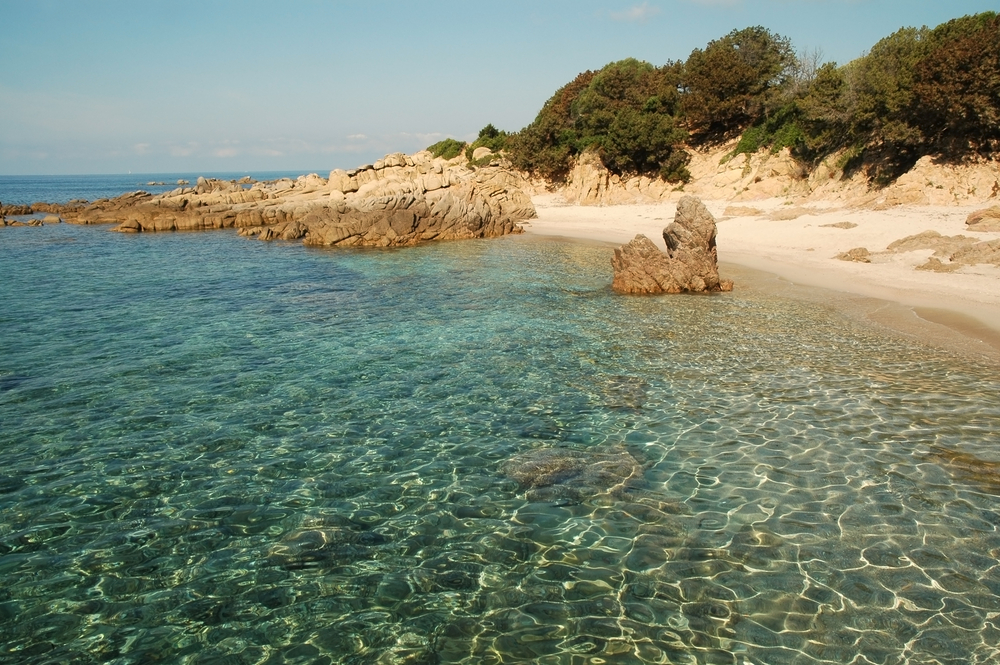
After a morning of barrels and vines, go down to the neighbouring beaches – such as Capo di Feno or other quiet coves – with a well-chilled bottle of Vermentinu or rosé for a drink in the golden light: the perfect meeting of wine and water.

Capo di Feno

In every glass, Ajaccio tells a story of light, rocks, the sea and ancient vines. The combination of the lush Mediterranean landscape and the authentic elegance of its wines makes this destination a must for anyone wishing to explore the aromas of the wine and the colours of the sea. It’s a sensory journey, a tale to be enjoyed between beaches and wineries, between sips and idyllic views.

And thanks to Volotea, all of this is well within reach: its low-cost flights take you straight to Ajaccio, where a food and wine experience awaits you, in the windswept vineyards and crystal-clear waters of Corsica.

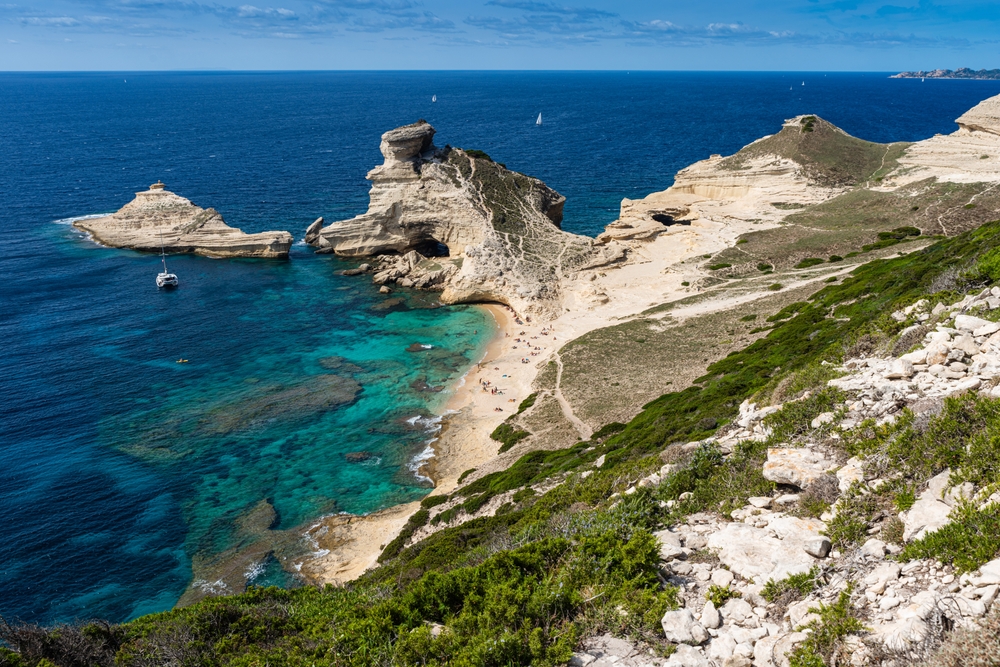
The beaches of Ajaccio aren’t just somewhere to soak up the sun; they’re experiences to be remembered.

Ajaccio, a blue-tinged paradise

There’s much more to Ajaccio, the capital of South Corsica and birthplace of Napoleon Bonaparte, than imperial history and architecture. This city, wedged between herb-scented mountains and the deep blue waters of the Mediterranean, enchants you with its mix of French elegance and island charm. The streets in the old town beckon you to wander aimlessly among Italian-style villas, markets selling local produce, and buzzing terraces overlooking the port.

In the surrounding area, Ajaccio spills out into nature: green hills, coastal paths and, of course, beaches. Lots of beaches. Some are well known and popular, such as Plage Saint-François or Ricanto, but the real gems are to be found a bit further out. Today we’re taking you on a tour of the secret coves of Ajaccio, those hidden spots that seem to have been carved out for those looking for somewhere exclusive, untouched and truly memorable.

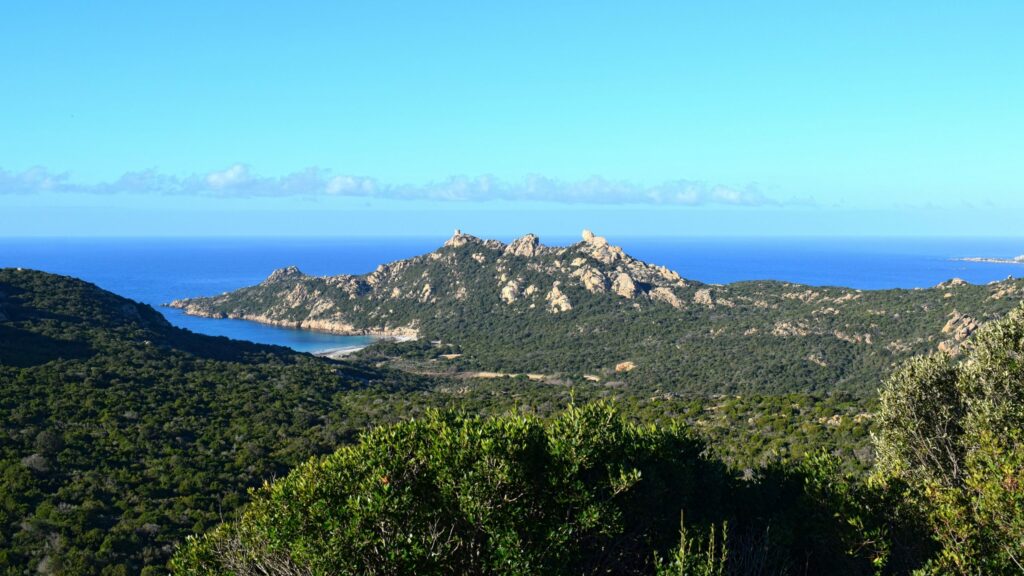
Punta della Parata Ajaccio
Point of Parata

Cala di Fica: a wilderness between the cliffs

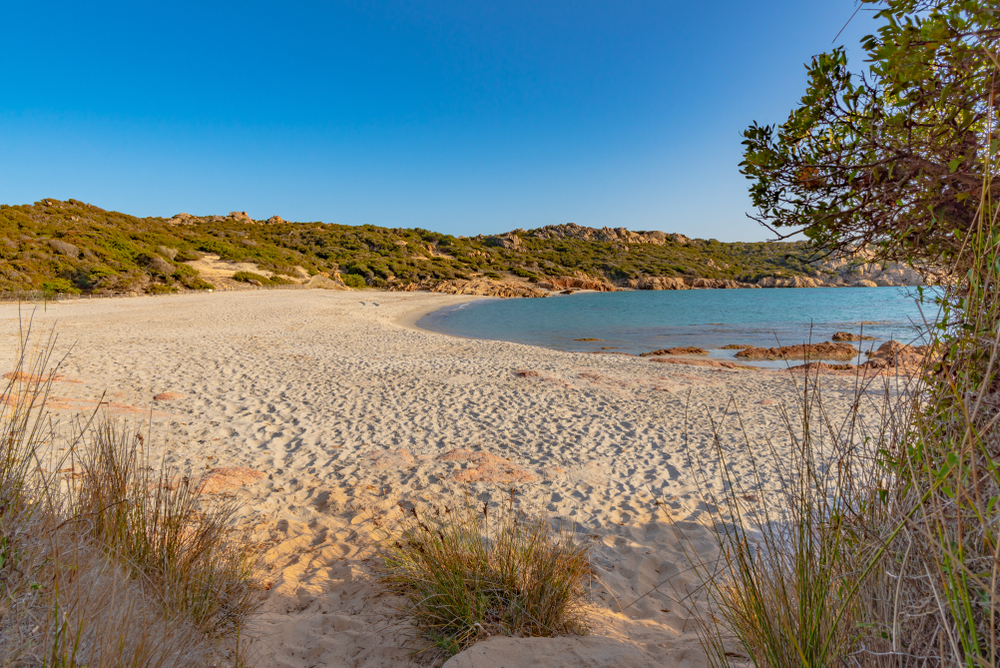
Around 45 minutes’ drive from the centre of Ajaccio, towards Capo di Feno, is Cala di Fica, a little paradise of fine sand and turquoise waters. Getting there is not easy: you face a walk of about 30 minutes along a coastal path once you’ve left your car on a dirt track, but you’re then rewarded with a practically untouched place, surrounded by Mediterranean scrub and pink rocks.

There are no facilities or shade, so take some water, sun cream and food with you. It’s the ideal spot if you want to switch off completely and go for a swim away from it all.

La plage de Saint-Antoine: for adventurers only

Close to the iconic Parata peninsula with its Genoese towers, this small beach is hidden behind a rocky path running alongside the cliffs. It’s a bit tricky to get to, so suitable footwear and a reasonable level of fitness are advisable. But it’s worth every step: a cove of white pebbles, with no phone signal, where the only sound is the sea crashing against the rocks.

A perfect place to switch off, read a book or go diving among the fish. There are no facilities; it’s completely isolated.

spiaggia di Saint-Antoine Ajaccio

La plage de Capo di Feno (south side): the secret sister

Capo di Feno is very popular with surfers, but it’s not generally known that south of the main beach lies a hidden cove, cut off by a rock formation. To get there you walk from the main carpark and follow a small path going off to the left.

This “little sister” has calmer waters, is more peaceful and has a truly idyllic setting. There’s a small beach bar in high season, but even then it’s generally quiet.

Cala d’ORZu: the best-kept secret on the south coast

Halfway between Ajaccio and Coti-Chiavari, Cala d’Orzu is a small beach with fine sand and crystal-clear waters. You get there via a forest track, so it’s best to use an off-road vehicle or park up before the trickier section and continue on foot.

The isolated location of this cove has protected it from mass tourism. There are no bars or showers, but the feeling of being in a secret corner of the world is well worth it. A perfect spot for snorkelling.

cala d'orzu

Anse de Minaccia: a most exclusive bay

Near the Route des Sanguinaires, this small cove is hard to get to but extraordinarily beautiful. Surrounded by Mediterranean vegetation and overlooking the Isles Sanguinaires, its calm waters are ideal for swimming or paddle boarding.

You get there on foot, from the Chemin des Crêtes, so wear comfortable footwear and avoid the hottest time of day. There are no facilities, but instead you’ll find an amazingly picturesque setting.

Mare e Sole (Silver Beach): alone at dawn

Whilst not exactly unknown, Mare e Sole beach (also known as Silver Beach because of its dazzlingly white sand) becomes a magical place at daybreak. Around 30 minutes from Ajaccio, on the south coast, it’s accessible and serviced, but if you get up with the lark, you’ll have it almost all to yourself.

At first light, the sand is tinged with golden hues and the water is like a mirror. It’s the perfect time for a yoga session, some photography or a peaceful swim before the others arrive.

plage d'argent corsica

Plage d’Isolella: the jewel between the pines

On the Isolella peninsula, this small beach nestles between private houses and pine forests. It’s not that well signposted, but there are small pathways off the main road.

What makes it special is its almost familiar atmosphere, with calm waters, natural shade and a feeling of being away from it all. Only a few locals know about it.

A paradise for those who know how to look

Ajaccio and the surrounding region not only have a wealth of natural beauty but offer a different way of enjoying the summer: more slowly, more mindfully, feeling more connected to the land and sea. These secret beaches aren’t just somewhere to soak up the sun; they’re experiences to be remembered: the fragrance of the thyme under your feet, the sound of the wind around the rocks, the clearness of the secluded waters.

By travelling to Ajaccio with Volotea you open a door into the unexpected, into the authentic Corsica. You just need to venture out, stray off the beaten track a little… and let the island do the rest.

Ajaccio is the capital of Corsica, with a population of 72,500 habitants. It is also the birthplace of Napoléon Bonaparte, which is why it is known as the Imperial City. But, after you visit Napoleon’s city, I encourage you to explore the surrounding area.

What to see near Ajaccio? Here are my favourite spots near Ajaccio. These amazing sites make Corsica a destination for every type of traveller!

The Bloody Islands (Îles Sanguinaires)

This natural site near Ajaccio is famous for its sunsets. The archipelago, which is made up of four rocky magmatic islands, turns a flaming red at dusk.

Alphonse Daudet mentions them in Letters from my Windmill, where he describes a mysterious spot and 16th-century remains. This natural site is now a hiking destination. Routes are easy, with paths along the coastline. You will find small information signs about the local flora, which comprises 150 different species.

In terms of animal life, Parata is home to colonies of sea birds, like the yellow-legged gull, but also the black-headed gull, Audoin’s gull, and Cory’s shearwater.

iles sanguinaires

The Piana calanques

68 km north of Ajaccio is one of my favourite spots! The road there is a natural beauty in itself. After going over a small hill, you will have a plunging view of the emerald sea, where you will be able to walk along an untouched coastline.

On the road

Among the things worth seeing on the road, make a stop at Cargèse. This village is home to two churches that face each other: a Latin church, the church of the Assumption, and a Greek church, the church of Saint Spyridon, built by the Ottoman community of 600 Greeks who settled in the village in the 17th century.

Drive along the Mediterranean coastline to reach Piana, ranked as one of the most beautiful villages in France.

An exceptional site

Then you will reach the Piana Calanques, a UNESCO World Heritage Site. This is one of the marvels of Corsica, described by Guy de Maupassant in his travel diary, The Monastery of Corbara.

calanques de piana

These 400-metre pink granite walls constitute a small mountain range by the sea. Imagining what these rocks look like is an amusing game!

The calanches (their original Corsican name) can be reached by road, by sea from Sagone or Cargèse with Isula Croisières, as well as through the many routes I told you about in my post on Ideas for hikes in Corsica.
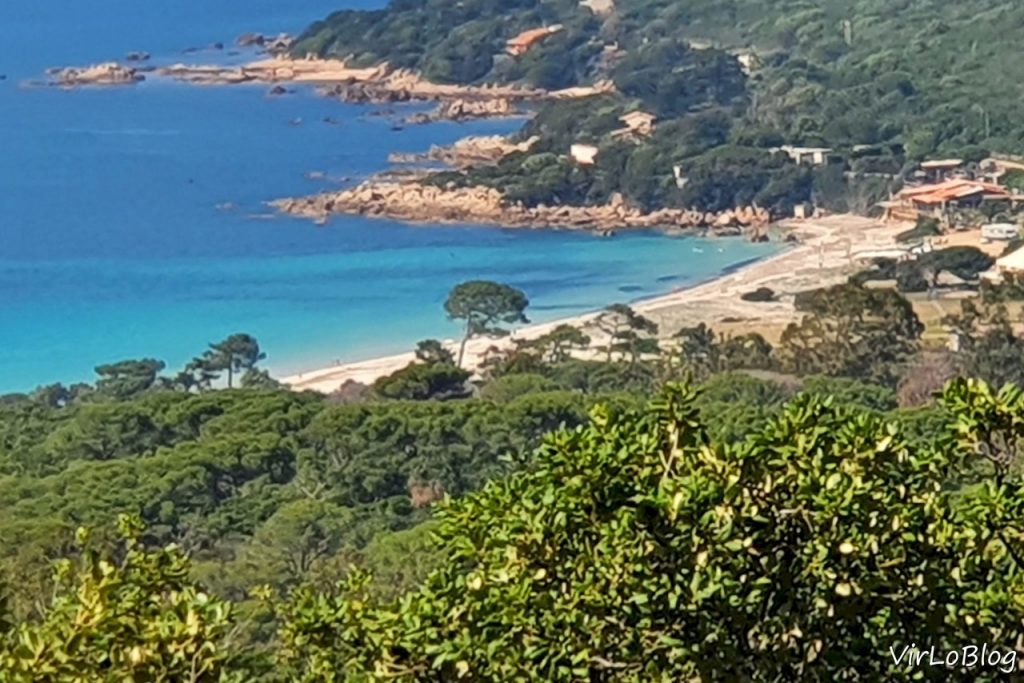
I’ve taken all three options, and cannot decide which one I prefer! Every time, I discover something new. So why not take your time and enjoy every option?

Silver beach

The silver beach, also known as Mare e sol, is in Pietrosella.

This wonderful beach is named for its characteristic colours. Its sand is fine and white, the water is turquoise. Whatever the season, you are guaranteed an amazing backdrop that will allow you to imagine you are on a Caribbean beach!

plage d'argent

I recommend walking up to Coti Chiavari prison, in the middle of a eucalypt grove. There you will have a stunning view of this cove and its gradation of hues. Moreover, you will have a wonderful view of the gulf of Ajaccio, as far as the Bloody Islands, during your stroll.

Bride’s Veil Waterfall

The Bride’s Veil Waterfoll is near Bocognano, 40 km from Ajaccio. This village is ensconced between Monte d’Oro and Monte Renoso.

A piscia di a sposa (which literally means “the wife’s piss ” in Corsican) can be accessed turning right at the Bocognano roundabout and following the A piscia di a sposa sign. It takes about fifteen minutes to reach this amazing site. You’ll have to acknowledge that its French name is nicer than the original Corsican! This waterfall, some 70 metres high, wears its most beautiful veil in the spring.

If you are looking for other waterfalls, I talked about the most beautiful natural pools in another post.

Prunelli valley

The five villages that constitute this valley are Eccica Suarella, Bastelicaccia, Ocana, Bastelica, and Tolla.

Bastelica is the highest of the five villages, at an altitude of 850 metres. It is also the farthest from Ajaccio at 36 km. Ese ski resort is only a few kilometres away. Yes, there are ski resorts in Corsica! The famous Sampieru Corsu, the leader of the 1533 rebellion against Genoa, when Corsica was still Italian, was born here – you can visit the house where he was born. It is said that his tragic marriage was the inspiration for William Shakespeare’s Othello.

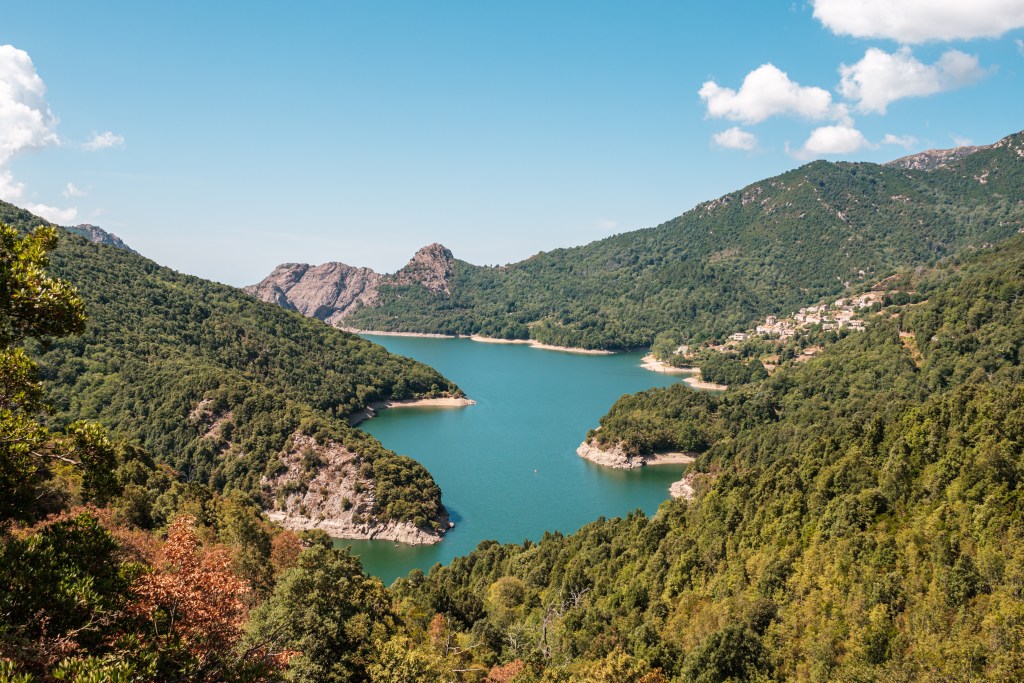
Tolla is known for its lake and its boating activities. The EDF dam built in 1956 created this 115-hectare body of water, where canoes, kayaks, pedal boats, and paddle boards can be used. Tolla’s Via Ferrata offers a magnificent view of the lake for those who are not afraid of heights. The church houses interesting Italian paintings.

lac de tolla
Lac de Tolla

Wineries

Ajaccio is a wine-growing region, and I recommend visiting one of its wineries. Visits are offered for couples as well as for families.

Most wineries grow organic wines, so this is a chance to learn a bit more about the methods used to create a high-quality wine. The winegrowers’ passion for their wines is contagious. I recommend several wineries you can visit near Ajaccio: Domaine de Pietrella in Cauro, Clos Ornasca in Eccica Suarella, Domaine de Tremica in Casaglione, and Domaine A Peraccia in Peri.

Travelling through a region means also discovering its gastronomic and artisanal offerings.

The ridge route

Why not go a little higher to admire Ajaccio’s stunning views?

The ridge route is accessible to everyone. When you go up higher from the Bois des Anglais, you will be able to admire the city, but also the south side of the bay of Ajaccio, the Bloody Islands, and the mountain ranges. From the city centre to Parata, this trek takes 3 hours end-to-end. But you can shorten your route taking various detours. You can find information on the signs you will see along the way.

sentier des cretes ajaccio

The best things to see in Ajaccio

I have selected outdoor areas because Corsica is a showcase for nature, displaying a wide range of very different gems.

If you want to visit Ajaccio, you will find a plethora of possibilities: museums, churches, squares and statues, the city market, and many more.

U casgiu” (cheese in the Corsican language) is a mainstay of the region and one of the delicacies most appreciated by locals and travellers alike. A genuine product of ancestral know-how. Once known as the shepherds’ island, Corsica has inherited a strong cheese-making tradition.

Deep in the scrubland, goats and sheep share the dense, rich vegetation, enabling local producers to craft a wide variety of cheeses. This means that part of Corsica’s cultural heritage will be on your plate when you try this tasty speciality.

fromage corse

What to eat in Corsica?

Your stay in Corsica is an ideal opportunity to delve into its cuisine and sample some of the local favourites. Both savoury and sweet, you’ll be spoilt for choice.

If you are mad about charcuterie, this is the place for you! The choice is yours: lonzu, coppa, saucisson, prisuttu… And not forgetting figatellu, a dried sausage made from pig’s liver, the real hallmark of the island’s charcuterie. Traditionally smoked over chestnut wood, it is eaten only in winter served inside a plain sandwich.

Sample a wealth of different dishes when you go out for a meal or do your shopping at the market: cannelloni with brocciu, chestnut flour pulenta, Aziminu (Corsican bouillabaisse), aubergines à la bonifacienne… It’s hard to get more typical than stufatu, for example. This slow-cooked stew is made with manzo beef, panzetta (smoked bacon), tomato paste, red wine, onions, black olives and bay leaves.

For a sweet treat, try desserts made with Brocciu or chestnut flour, including flan, fondant, fritters and crème brulée. To accompany your coffee, tickle your taste buds with biscuits like Canistrelli, frappes and finuchjetti.

Not forgetting Corsican honey, olive oil, preserves, nougat, myrtle liqueur, beer and Corsican wine!

gastronomie corse

How to pick a Corsican cheese

Cheese is one of the cornerstones of Corsican cooking. Many cheesemakers sell their own produce. The island’s temperate, humid climate makes for good, tasty, and high-quality cheeses. The local vegetation is rich and dense. Goats and ewes feed on it, which produces top-quality, high-protein milk. This, combined with the ancestral expertise of the producers, is guaranteed to deliver the great taste of traditional Corsican cheese.

There are five main cheese families in Corsica, spread over five different regions.

  • “Bastilicacciu”, or Bastelicacci, is produced in the south-west, in the Ajaccio region. A mild, creamy and soft cheese resembling the famous Camembert. It can be easily spotted by its blue-grey rind. As time passes, the more it dries out, the stronger it becomes.
  • “Casgiu Sartinesu”, or Sartenais, found in the south of the island, in the Sartène region. This is a raw pressed cheese, smoked over a chestnut wood fire. Its distinctive feature is its light brown or even orange rind. Like tomme cheese, it can be aged for a long time without losing any of its flavour.
  • “Casgiu Venachese”, or Vénacais, a variety found on the east coast. This is a reasonably strong soft cheese, allowing you to enjoy the longer maturing process without it being too intense on the palate. It can be recognised by its “sticky” rind, usually yellow-orange in colour. It has been likened to Pont l’Evêque.
  • “Niulincu”, or Niolu, from Haute-Corse, in the Niolo region near Saint-Florent, in the centre of the island. This cheese has a strong character and owes its spiciness to the high moisture levels in the cellars where it was matured. Consumers be warned!
  • “Calizanincu”, or Vieux Calenzana, is found in the Balagne region, near Calvi, in the north-west of the island. A sharp cheese with a dry texture, ripened for several months. The unique potency of this cheese makes it a rare experience, as it is difficult to make and requires special expertise.
a pasturella corsica
Photo credit: A Pasturella in Grossto Prugna – South Corsica.

Typical Corsican cheeses

These cheeses have been crafted from generation to generation paying the utmost respect to Corsican tradition. Here are a few examples:

  • Brocciu : Corsica’s national cheese, originally from the mountains, is a smooth and creamy cottage cheese. Made from whey, it is usually eaten chilled at the end of a meal paired with a marmalade or jam, sugar or honey, It can also be enjoyed as a savoury starter or main course with a slice of bread and a salad, or cooked as part of an omelette or fiadone, the signature dessert.
  • Ewe’s milk cheese: this cheese has a soft, melt-in-the-mouth texture.
  • Ewe’s milk Tomme: a favourite in Corsica, often eaten in sandwiches, bruschettas and even as a raclette cheese.
  • Fresh goat’s cheese used to make migliacci, a little-known traditional recipe from time immemorial. These are fresh cheese patties cooked on chestnut leaves in a wood-fired oven.  

Each of these cheeses can be seasoned with dried fruit, hazelnuts and aromatic herbs typical of the Corsican maquis, used to coat the cheese. Not forgetting “Casgiu Merzu”, which translates as “rotten cheese”. As its name suggests, it is a putrid cheese, aged for a very long time by producers to the point where the maggots of the Piophila fly develop. It is therefore extremely strong and only the boldest will appreciate it.

Photo credit: U Diceppu cheesemongers by Dms Studio Creatif

Where to buy Corsican cheeses

  • Artisanal cheesemongers / Directly from producers: come and meet them for a tasting and share your experience. A genuinely insightful opportunity.
  • At local markets: meet the producers who will whet your appetite by sampling their cheeses.
  • Groceries: where only Corsican cheese is stocked. Feel free to ask for advice based on your preferences.
  • At the supermarket: choose from a wide range of cheeses.

My top addresses

Photo credit: A Fiera Fine Corsican grocers (Folelli, Haute-Corse)

Corsica’s cheese season

There’s no specific time of year to enjoy a good bite of Corsican cheese! Just remember that the brocciu season ends just before the peak of the summer heat, in June, when the ewes stop lactating. It’s time for summer grazing, when the sheep go to rest in the shade of the mountains until they are ready to return in November.

Photo credit: Pierre Thomas Graziani Manager of the Tolla sheepfolds

Conclusion

Follow the roads of the Isle of Beauty while inhaling the sweet scent of the maquis, and set off on a gastronomic adventure! You’ll meet dedicated producers who’ll tell you their stories as you taste their delicious wares. Cheese in Corsica is more than a skill, it’s a tradition, and each has its own character. So, do you prefer goat’s milk or ewe’s milk? Either way, bon apetitu !

Photo credit: Il était un picnic

Planning to spend a few days in Ajaccio and keen to know about the season’s offerings in the imperial city? What summer activities does Ajaccio have lined up? Let me take you through Ajaccio’s summer 2024 programme of musical and culinary events, as well as a series of activities dedicated to Napoleon.

Article updated on 05/09/2024

Activities around Napoleon’s life

Napoleon was born in Ajaccio on 15 August 1769. He lived his childhood and part of his youth in Ajaccio. It was on his return from Egypt, in 1799, that he stayed here for the last time.

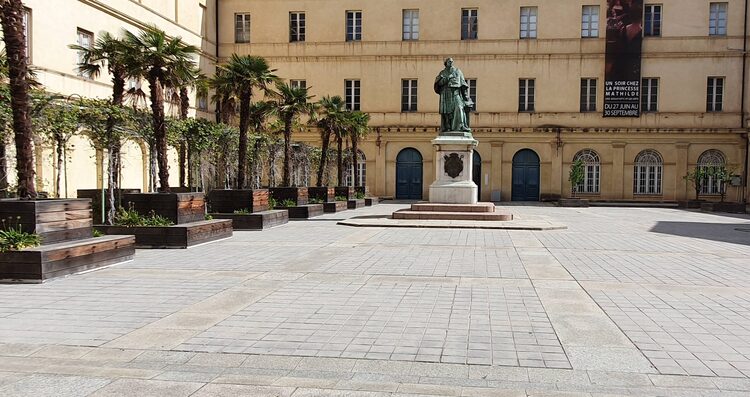
You can visit the city and follow in Napoleon’s footsteps by visiting the statues in his honour, the house where he was born, the baptistery in the cathedral and a host of other important landmarks.

statue napoleone ajaccio

Towards the end of his life, on St Helena, Napoleon said: “While I have not been able to achieve the plans I had for Corsica, I can at least have the satisfaction of having done something for Ajaccio”.

Napoleonic evenings

Dive into the world of the First Empire by taking part in these evenings, held every year between 12 and 16 August. The costumed performances are especially appealing, for young and old alike.

Here are some of the most interesting highlights of the Napoleonic evenings:

  • On Saturday 13 August, you can watch the Imperial Guard being formed at the foot of the Casone monument.
  • On Sunday 14 August, don’t miss “Les Princes de l’Aigle”, a show on Napoleon’s meteoric rise which will held in Place du Diamant.
  • And on Tuesday 16 August, Ajaccio will bring you a show focusing on Napoleon’s private side and his complex relationship with women.

Ajaccio’s music scene

Jazz in Aiacciu Festival

Every summer, Ajaccio hosts its jazz festival in the last week of June. This year, from 25 to 29 of June, come and celebrate jazz in the leafy surroundings of the Casone theatre, in the hills above Ajaccio. It’s a great opportunity to listen to some of the top acts on the jazz scene. Camilla George, Léon Phal, Goran Bregovic and many other performers will be playing in Ajaccio this year.

Corsican polyphonic song

Corsican polyphonic singing is part of the island’s cultural heritage. These old shepherds’ songs tell the story of their daily lives. These “paghjelle” (a cappella) songs are still performed in churches to mark important occasions.

Several dates and groups are on Ajaccio’s summer schedule.

  • Passione : 9, 16 and 26 June, 7 and 21 July, 4, 11, 18 and 30 August, 8, 15, 20 and 29 September. You can check all the details of the events on the group’s website.
  • Spartera : Check the events agenda to see the performances scheduled during summer 2024.

Aio Festival

Ajaccio’s Aio Festival features concerts by well-known French singers. Every year, renowned artists perform at the Casone Theatre for everyone to enjoy. Over the years, we have been treated to concerts by Mika, Zazie, Patrick Bruel, M, Calogero, Les Insus and many other stars.

This year Matt Pokora (July 28), Bigflo & Oli (July 30) and Sting (August 1) will perform.

Cultural visits in Ajaccio

From spring to autumn, the city of Ajaccio will be offering guided tours with expert guide Pierre-André Nicolaï. This is a chance to join “VIP” tours of the imperial city’s key landmarks.

With a passion for his native city, Pierre-André Nicolaï will share anecdotes and point out the details that make these places so exceptional.

Several tours are available, each on a on number of different dates, from April to October. Here are a few suggestions:

The old town and Maison Bonaparte

Ajaccio is the city where Napoleon was born and it abounds in emblematic sites associated with the future French emperor’s early years.

This tour will lead you through the old town and closes with a visit to the family home, Maison Bonaparte.

maison bonaparte ajaccio

Taking on the citadel of Ajaccio

A former military stronghold, the citadel is currently being restored, having been handed over to the city of Ajaccio. Pierre will reveal some of the citadel’s secrets to you.

citadelle ajaccio

Sanguinaires Cemetery

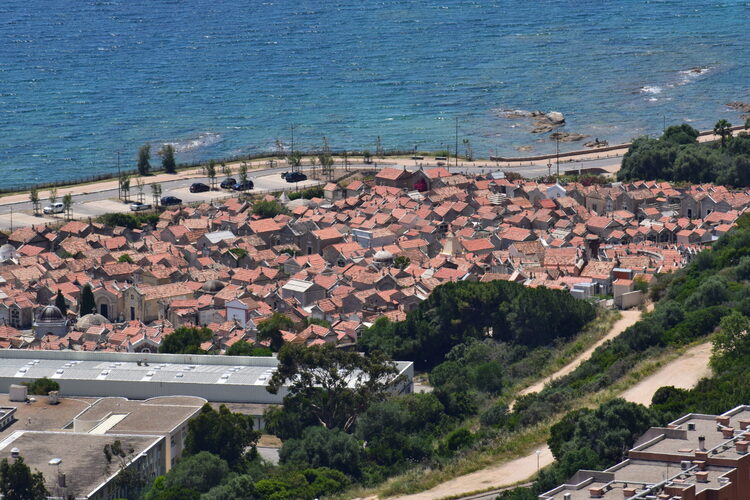
The site of the Sanguinaires cemetery is already a stunning setting. Why not listen to the anecdotes about the place and find out which celebrities are laid to rest there? The most well-known is Tino Rossi, who sang French Christmas hit, “Petit Papa Noël”.

cimetiere ajaccio

The masterpieces of Palais Fesch

Did you know that Palais Fesch ranks second only to the Louvre for its collection of Italian paintings? An ideal opportunity to marvel at works by Botticelli, Veronese and Titian.

palais fesch ajaccio

Ajaccio at night

If the days are too hot, why not visit Ajaccio and its key attractions in the evenings. You’ll discover a whole new city.

Ajaccio’s red gold

Red gold? That’s the local name for coral. Pierre-André will share the history of these fishermen and invite you to visit an artisan jeweller’s workshop.

Go on an aperitif tour

“Macagna” (Corsican for hoax or joke) with an aperitif! A tour where Pierre-André will be telling some stories that are not always true, and it will be up to you to sort out true from false! A quick challenge to test your knowledge of the imperial city! In the second part, an appointment with a master sommelier to taste 3 different wines from the AOP Ajaccio region.

Tino Rossi’s Ajaccio

A walking tour through the sites cherished by Tino Rossi and often recollected in his songs.

The price of these tours accompanied by a qualified guide is between €8 and €10 (except for the aperitif tour at €15). Please note that a visit of your choice is included in the AJACCIO CITY PASS. Find all the information you need on the website of Ajaccio Tourist Office.

Discover Corsica’s cuisine

The Farmers’ Market

A region can also be explored with the palate and Corsica is a land rich in flavours. The farmers’ market takes place every Saturday and Sunday morning from 7 am to 1 pm. Just opposite the tourist office, on Place Campinchi, you’ll find Corsican producers who will be happy to show you the local wares. Sold directly from producer to consumer.

La Halle, gourmet food market

Every day of the week, from 7 am to 2 pm, you can savour Corsican delicacies and shop for locally-sourced ingredients.

la halle gourmande ajaccio

Let the season begin…

The imperial city is poised to greet you from spring to autumn with a packed schedule. With a wide range of activities to suit all tastes, all that’s missing is you…

A tip from me: In 2022, Ajaccio city council launched the City Pass Pays d’Ajaccio which gives you to access to sites or events, a tour with a guide and special promotions from partners.For activities in the Ajaccio area, I suggest you read the article The best things to see near Ajaccio.

What can you do in South Corsica in 7 days or more? Let me share the must-sees of South Corsica with you. If you spend a week in South Corsica, you’ll be able to explore its most emblematic sites.

You can arrive in Ajaccio or Figari, but for this road trip, we’ll start from the Imperial City, Ajaccio.

AJACCIO, CAPITAL OF SOUTH CORSICA

A tour of Ajaccio

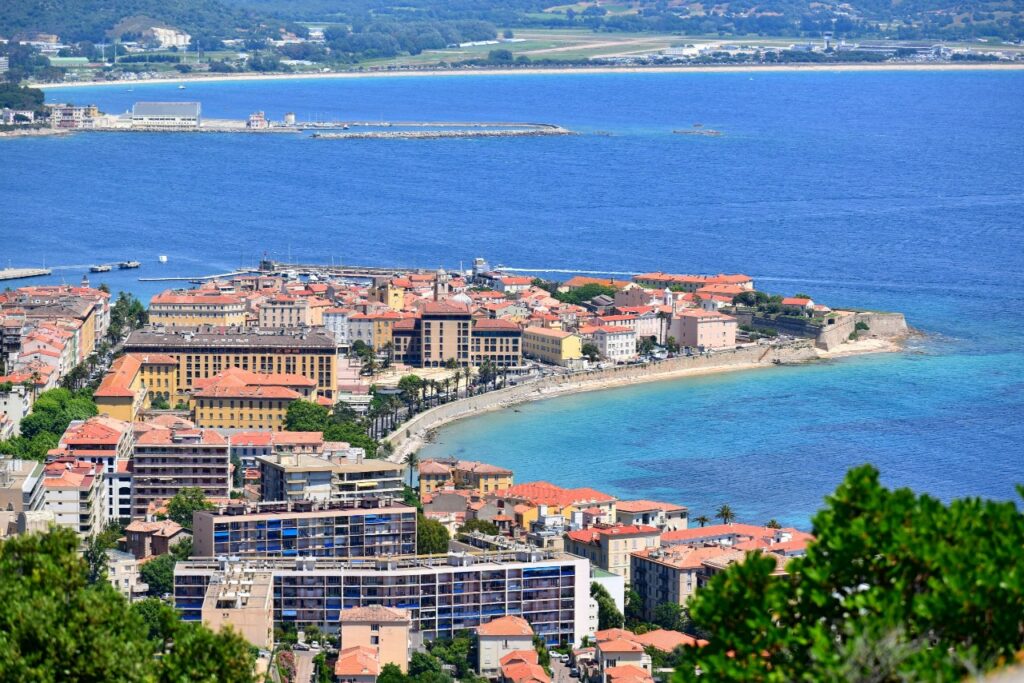
panorama Ajaccio

Ajaccio is a city to be visited on foot. This will allow you to explore the narrow, shaded streets, and get a first-hand feel of the Imperial City.

The city’s most interesting attractions include:

  • The daily morning market in the Halles is a place to taste the island’s culinary specialities. Be sure to admire the former Napoleon I quays of the 19th century port on Place Cesare Campinchi. You’ll also find the tourist office in this square offering a wealth of information and ideas on what to do in Ajaccio and the surrounding area.
  • Place Foch, where Ajaccio town hall stands
  • Tino Rossi fishing port
  • The Citadel, open to the public since 2021
  • The Baroque Cathedral of Santa Maria Assunta where Napoleon was baptised in the white marble font on July 2, 1771. It also features a mural by Eugène Delacroix.
  • The Bonaparte House Museum and its 23 rooms.
  • The Naporama museum, which houses a very original collection. Thanks to enthusiasts, it traces the life of Napoleon with scenes created with Playmobil figures!
  • The Palais Fesch Museum is a must if you love Italian Baroque art. Put together by Cardinal Fesch, this collection is second only to the Louvre with over 400 paintings by Italian artists!
place ajaccio

Sanguinaires islands

iles sanguinaires ajaccio

Ajaccio extends as far as the Sanguinaires archipelago, which are named after their orange hues at sunset. You can get there by car, small tourist train, on the Imperial tour bus or by taking the No. 5 city bus.

The seaside road stretches along 15km of turquoise waters, which are sure to tempt you to take a dip! Along the way, you can visit Ajaccio’s cemetery, “U Canicciu”, facing the sea, with the tomb of Tino Rossi, who sang the French classic “Petit Papa Noël”.

If you decide to spend the evening in Ajaccio, I recommend dinner in one of the beach restaurants to watch the sunset over the Sanguinaires Islands.

THE CALANQUES DE PIANA, AN ESSENTIAL STOPOVER IN SOUTHERN CORSICA

On the way to the Calanques, you should stop at the village of Cargèse. What makes this village special is that it has two churches across from each other, a Catholic church and a Greek Orthodox church.

The village of Piana is considered one of the most beautiful villages in France.

The Calanques de Piana site is listed as UNESCO World Heritage. The pink granite cliffs tower more than 300 metres above the sea.The road follows the sea to Porto, a beautiful little harbour. From Porto, I recommend exploring the calanques by boat. The contrasts are breath-taking.

calanques piana corse

Let’s go back to Ajaccio for a second night. I would recommend eating at Porticcio for a superb view of the Gulf of Ajaccio.

THE ALTA ROCCA AND THE AIGUILLES DE BAVELLA, SUMMITS OF SOUTH CORSICA

We head south from Ajaccio into the mountainous region of the Alta Rocca. We pass through gorgeous villages where the houses are built from granite blocks: Aullene, Serra di Scopamène, Quenza and then Zonza.

The col de Bavella pass rises to 1218 metres above sea level, affording spectacular views of the east coast and the Tyrrhenian Sea. The high rocky peaks are called the “Aiguilles de Bavella” (Needles of Bavella). The laricio pines, often perched on the rocks, add to this somewhat surreal scenery. 

We then descend along the Solenzara river which marks the boundary between the Haute Corse and Corse du Sud regions. You can take a break to swim in the crystal clear waters in one of the beautiful natural pools.

alta rocca corse

Be careful on the road, cows, goats, pigs roam almost freely!

From Solenzara to Porto-Vecchio, the road runs along the sea providing a glimpse of southern Corsica’s fine beaches. To get the most out of the next day of relaxation, pick a hotel near Porto-Vecchio, around Saint Cyprien or Cala Rossa.

SOUTH CORSICA’S LOVELIEST BEACHES

palombaggia

The coast between Porto-Vecchio and Bonifacio boasts beaches that will make you feel like you’re in the Caribbean. Whether it’s Palombaggia, Santa Giulia or Rondinara, I’ll leave it to you to choose the perfect spot for a laid-back day.

No matter which one you pick, you’ll find fine white sand and turquoise water on all three beaches! I’ve already mentioned them in my article Corsica’s most idyllic beaches.

BONIFACIO, CORSICA’S SOUTHERNMOST POINT

bonifacio corse

To appreciate the true essence of Bonifacio, you should visit it on foot but also by boat. The limestone cliffs can be discovered from the sea.

On foot you can:

  • Explore the marine cemetery facing Sardinia
  • Stroll through the narrow streets of the medieval citadel and take in the striking views around every corner.
  • Walk up and down the 187 steps of the King of Aragon’s Stairway.
  • Visit the Bastion de l’Étendard which houses a museum in its underground rooms. From its gardens, you can enjoy 10 different views of the city.
  • Visit the churches dotted around the old town, five in all, and in particular the church of Saint Dominique, the only Gothic church in Corsica to be classified as a historical monument.
bonifacio vieille ville

I suggest spending the night in Bonifacio to make the most of a leisurely evening there. For example, you can take the road to the Phare de Pertusato lighthouse to admire the sunset over the town and the cliffs. In the evening, on the Marina, you’ll find a very “Saint-Tropez” atmosphere to savour Corsican seafood specialities.

SARTENE AND PROPRIANO, THE GENUINE SOUTH CORSICA EXPERIENCE

The road from Bonifacio to Sartène will once again reveal splendid views. The coast remains unspoilt, and is likely to remain that way because the area is classified as a natural reserve.

The first stop is to see the Lion of Roccapina. A lion-shaped rock facing out to sea.

According to Prosper Mérimée, Sartène is the most Corsican of Corsican towns! This is where the most famous Catenacciu (Stations of the Cross) takes place every year on Good Friday.

sartene corse

For a change of scenery, we’ll move to the port of Propriano. This fishing village is a delightful place to spend an evening. But what I like best is the quiet atmosphere of a breakfast on the harbour the next morning.

BACK TO AJACCIO ALONG THE COAST

Let’s take the long way back to Ajaccio. First stop, Porto-Pollo, then the prehistoric site of Filitosa. This site of megalithic granite statues was discovered buried in the scrub in 1946. These huge statues have made it possible to date human presence in Corsica back to over thirty centuries before our era.

We will then take departmental road 55 to arrive at the old prison ruins of Coti Chiavari. Only a few buildings remain of this place marked by a tragic history. On the other hand, it offers a magnificent view of the Gulf of Ajaccio and the Plage d’Argent.

coti chiavari corse

TIME TO GO HOME…

As you can see, South Corsica is diverse, and I tell myself that each spot is my favourite until I get to the next one!  I think you’ll agree with me, and will have to come back to enjoy these gems a little more!

Think you know the most beautiful beaches in Corsica? You may have read my previous post on this subject. But did you know that there are still wild beaches in Corsica?

They are not as easy to reach, there may be no beach bar or parking area, and far less people. So you will have to bring your picnic with you, your icebox with cool water, put on a hat, good footwear, and you’re off!

Some can be reached after walking for a bit, other ones can only be reached by boat (suddenly, more people!) But when you get out of the water in these beaches, all you will see is the natural world around you.

The wild beaches of Haute-Corse

The beaches in the Agriates desert

The beaches in the Agriates desert are all wild. They can be reached by ferry, which means they are popular. However, I cannot fail to mention them, even if there’s more people – they are always less crowded than the famous Porto-Vecchio beaches! And the area is still wild and idyllic.

Saleccia

saleccia corse

You can reach Saleccia on a 4×4 after driving down a 15 km track – that’s about a 45-minute trip. The track starts at Casta, just after the Relais at Saleccia.

U Paradisu campground is near the beach, fully integrated with the surrounding area. It’s a good place to spend a few days away from it all. But check if there are any vacancies before travelling for 45 minutes along a track!

Lodu

plage lodu corse

You can reach Lodu beach on the St-Florent ferry. It’s also called Loto or Lotu. (Note: in Haute-Corse, “t” is pronounced “d” and “u” is not pronounced, but it’s not pronounced at the end of the word. But in Ajaccio, “t” is pronounced “t”, and “u” is pronounced!)

To fully enjoy this idyllic location, I recommend taking the first Popeye ferry at 9 am. Then you will have the chance to see this white-sand beach when there’s still no one there, and be the first to disembark, like Robinson arriving at his island.

Ghignu

You can reach Ghignu taking the Malfacu track, and then walking for a bit less than 5 km (about 1 hour). A wonderful beach of white sand and turquoise water.

Malfacu

One of the options to get to Malfacu is to drive along the track from Vezzu hill on a 4×4 car. It will take you more than an hour to cover these 13 km. The other options are to walk from Saleccia or from L’Ostriconi, but it’s a rather long trip – even longer when the weather’s hot!

L’Ostriconi

This wild beach in the Agriates desert can be reached through a path from the old Ile Rousse route. This 800 m long beach can be dangerous when the weather is bad because of the strong currents, so avoid swimming too far from the strand.

The wild beaches at Cap Corse

Barcaggio beach

This beautiful beach, located at the north end of Corsica, Cap Corse, can be reached from Barcaggio village.

You will find a parking area that is for pay during the summer. From there, just walk for about fifteen minutes to discover this wonderful beach. Across from it is a little island on which stands the northernmost lighthouse in Corsica.

A few years ago, I found plenty of Bolma rugosa, a small shell that’s made in Corsica.

Des Iles beach

plage des iles corse

The beach at the Finocchiarola islands at Cap Corse is the first beach that can be reached from Tamarone bay through the douaniers route. It takes 20 minutes walking to get there. For those who have a 4×4 vehicle, you can also take a track.

The beach is almost deserted and has a splendid view of the Finocchiarola island, a natural reserve.

Like most unspoilt wild beaches, there is a bed of Posidonia, an underwater flower that is often taken for seaweed.

The wild beaches of South Corsica

Near Piana

Ficaghjola

Ficaghjola

You walk down to this little cover by a path from the Hotel des Roches Rouges outside Piana. You need to walk for 3 km to reach this little gem.

Cross Mezzanu brook, then keep walking along its bank down to the beach. On the way there, don’t forget to admire the view of the Gulf of Porto and the Piana cliffs.

You will be rewarded by a beach of fine sand and crystal-clear water at the end of this walk.

Arone beach

plage d'arone

Arona beach, the only large beach in Piana, monitored in the summer, is nonetheless a wild beach. You can get there by car (and by boat).

From Piana village, take the D824 between the church and the supermarket. Drive for 12 km for about 20 minutes, to reach this superb white sand beach.

For gourmets, there are several restaurants near the beach, but also a campground and tourist apartments.

The wild beaches at Ajaccio

Lava Gulf

golfe de lava

To the north of Ajaccio, between Capu di Fenu and Pelusella point, Lava Gulf is a very pleasant, and very long, beach. This beach is maintained by the city of Ajaccio and is monitored in the summer.

You can drive there by road D381, at the end of about 9 km.

The sunset to the west is gorgeous, so make sure to pack an evening picnic.

Cape Feno

capo di feno

This wild beach is also near Ajaccio. Locals love it, but so do surfers, as the wind and the waves are often perfect for them.

Take the D111B from the road from Vitulo to Ajaccio.

This beach, in a wild area, is gorgeous, but don’t forget to keep an eye out for the children, as there can always be waves and strong currents in the sea.

Near Propriano

Campomoro

Campomoro beach stretches out for more than 2 km in a nature reserve.

You can get there by driving along the D121 when you leave Propriano headed to Sartène.

Roccapina

roccapina corse

In the south end, you will find Roccapina beach, at the foot of the famous Roccapina Lion.

The beach can be reached by car. There’s a great campground and bungalows a few hundred metres before you get to the beach.

The beach is curved, as it’s located in an inlet, and it’s very pleasant, with a gorgeous view wherever you look. The water is so turquoise that it looks like a swimming pool!

The wild beaches near Bonifacio

Stagnolu beach

stagnolu corse

Not far from Tunnara, Stagnolu beach is a gorgeous wild beach with 300 metres of sand. 10 km from Bonifacio, take the T40 then the D358 towards Tonnara, and then a track.

Behind you, you will find white sand dunes and the mountains. Bear in mind that, even though it’s a family beach, a small part of the beach is a nudist area.

Balistra

This beach of fine sand and turquoise water brings to mind the Caribbean! 10 km from Bonifacio, with the pond that bears its name in the background, this beach is a mecca for kite surfers.

Take the T40 towards Porto Vecchio, then, after about 8 km, take a road to the right and keep driving for about 2 km until you reach Balistra beach. There’s a free parking area and the beach is monitored in the summer.

Unspoilt Corsica

As you can see, even though Corsica is a tourist destination, there are still unspoilt, wild areas. This is because certain natural areas are protected by the authorities – it is for us now to protect these precious places.

Corsica is known for its dreamy beaches, but there are also superb natural pools.

Article updated on 6/08/2024

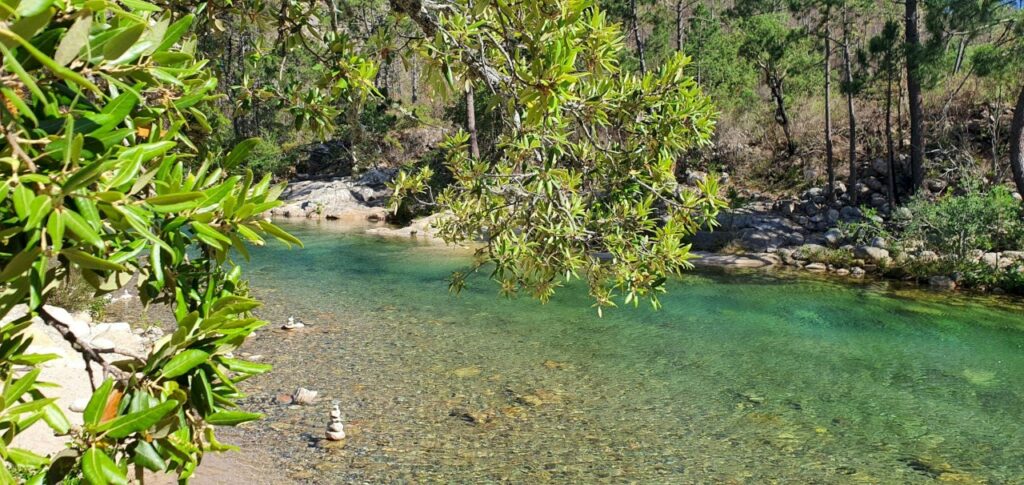
The mountains on the island are the source of many rivers that reach the sea among rocks. Nature, being generous, offers us magnificent natural water spots. The water is certainly cooler than the Mediterranean, that is, very cold in the spring, when the snows melt, but when it starts getting hot in the summer, it’s a great way to cool down.

In every river in Corsica there is a river where children swim all summer long. In fact, when the weather is warm, Corsicans prefer rivers to the beach.

These are some of the most beautiful natural pools in Corsica.

La Solenzara

la solenzara corse

This is my favourite, as it’s very easy to access and just above us: you can see the majestic Aiguilles de Bavella from there.

To get there, take the D268 towards Bavella. Because the road runs along the Solenzara river, you can choose the spot you like. There are little beaches in some areas where you can sit down comfortably under a sun umbrella.

In certain places you can find rocks to jump from, so pick the one that best suits you.

la solenzara corse

La Restonica

la restonica corse

Restonica valley, just above Corte, in central Corsica, is about twenty kilometres long. This beautiful valley has many natural pools and waterfalls.

At this height, I should warn you, the water is very cold, around 12°! Just tell yourself it’s great to get the blood flowing. To reach it, take the D623 south of Corte.

Fango valley

This valley is a bit less crowded because it’s less easy to access, which is even better! Go to Galéria, south of Calvi, and take the D351.

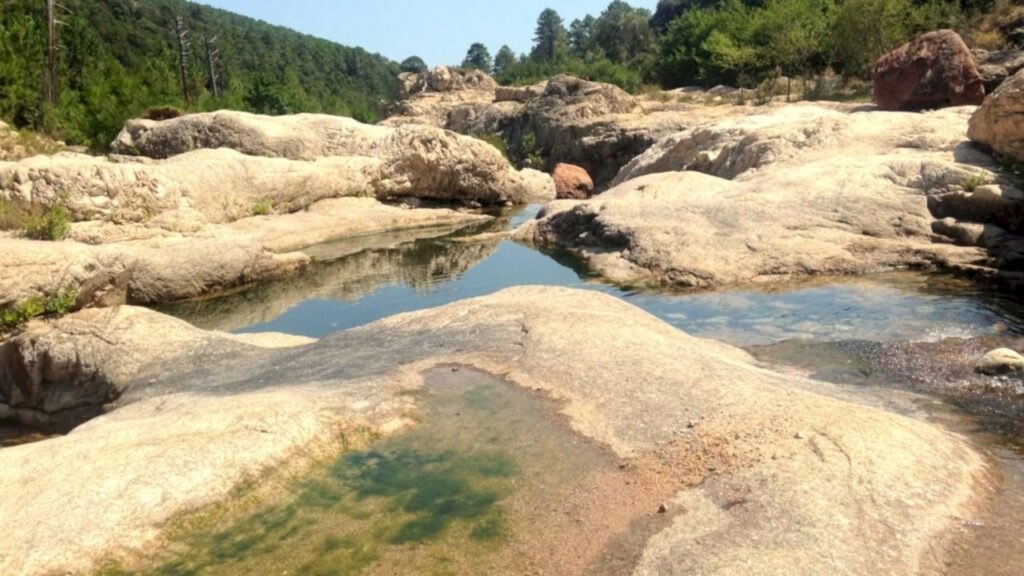
The source of Fango river is as the heart of Capu Tafunatu, the pierced mountain. This year is riddled with little ponds that make nice natural pools in the middle of the pink granite rocks. Moreover, the water is at an ideal temperature to plunge in!

capu tafunatu corse
Capu Tafunatu

Manganellu river

Manganellu river crosses the village of Vivario and plunges into the Vecchio. To reach it, walk along the GR20 track for a while, specifically stretch 8 from Petra Piana to l’Onda. It’s an easy walk along a rather large path in the midst of the pine trees. Take care to stay on GR20 – if you go along the ridges path, you won’t be able to swim today! If you don’t feel like walking, you can drive, taking the D23 at Tattone.

The pine trees around these natural pools contrast with the colour of the water. Feast your eyes.

Aïtone forest

foret d'aitone

I adore Aïtone forest all year round! At the heart of these 4000 hectares, you will find some hidden natural pools and waterfalls. The water is never warmer than 15° even in mid-August, but the landscape is so stunning and soothing that no one will complain! You can walk there from Evisa village, through a chestnut forest. You will find your reward after walking for some 45 minutes.

For those who are not that fond of sport, you can drive there. Just take the D84 and park at Belvédère Mare in Mare Nord.

If you are hungry in the evening, I recommend going up to Castel di Vergio Hotel, named after the hill. They serve a unique menu including a delicious Corsican soup, huge, high quality steak, and Fiadone for dessert. Everything is homemade, and there is a view of Monte Cinto, the highest peak in Corsica.

The Cavu natural pools

cavu corse

Cavu river is in the South of Corsica, a few kilometres to the North of Porto-Vecchio. These are some of the many natural pools in this river. To get there, take then D1968A at Sainte Lucie de Porto-Vecchio, towards Taglio Rosso.

The first one is a gorgeous pool behind U Paesu restaurant at Tagliu Rossu. Walk upriver to find other spots not far from there. Further up, you will find a paid parking area (EUR 5), with beautiful pools, and a bit farther, another spot called “Piscini di Micu”.

I’ve been saving the best for last: the most beautiful natural pools are the ones near the Les 3 Piscines restaurant.

Criviscia

criviscia corse

Drive towards Zonza village in l’Alta Rocca to discover the Criviscia brook. Them go towards Quenza, and when you reach Criviscia bridge, find a place to park (which is not easy!)

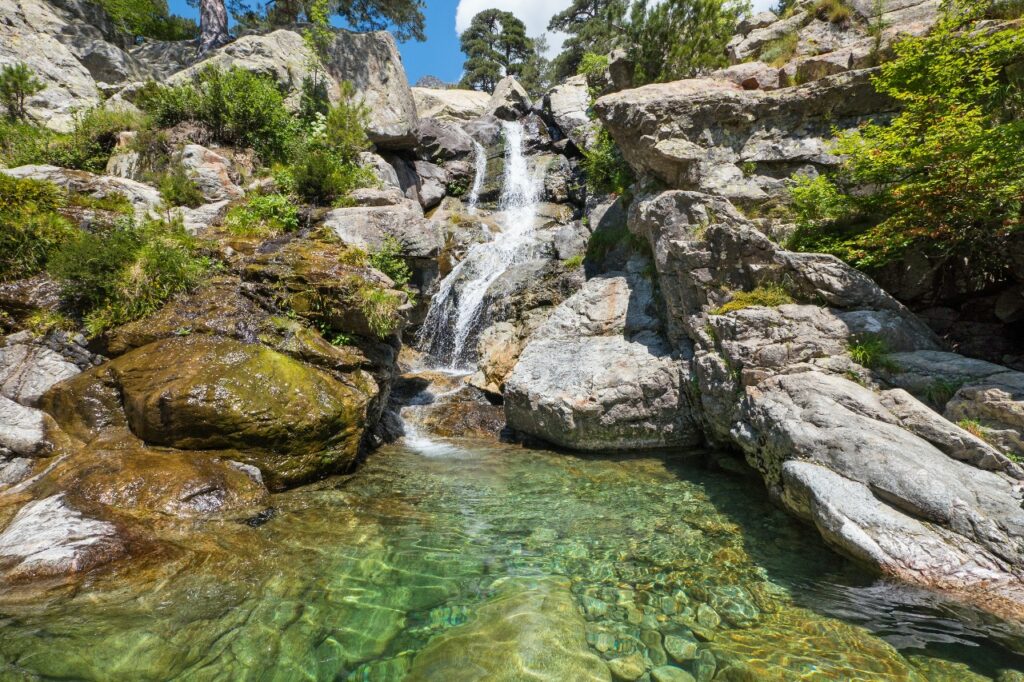
From the bridge, you can see the brook and hear the sound of the waterfall. The river wends its way through pine trees and oaks, and you can splash in the very cool water from the mountains. If you continue to go upriver, you’ll reach a canyon with rocks to jump from.

Purcaraccia waterfall

purcaraccia corse

I have already talked about trekking in Corsica, which I encourage you to do – it’s often while trekking that you will discover lovely waterfalls and natural pools.

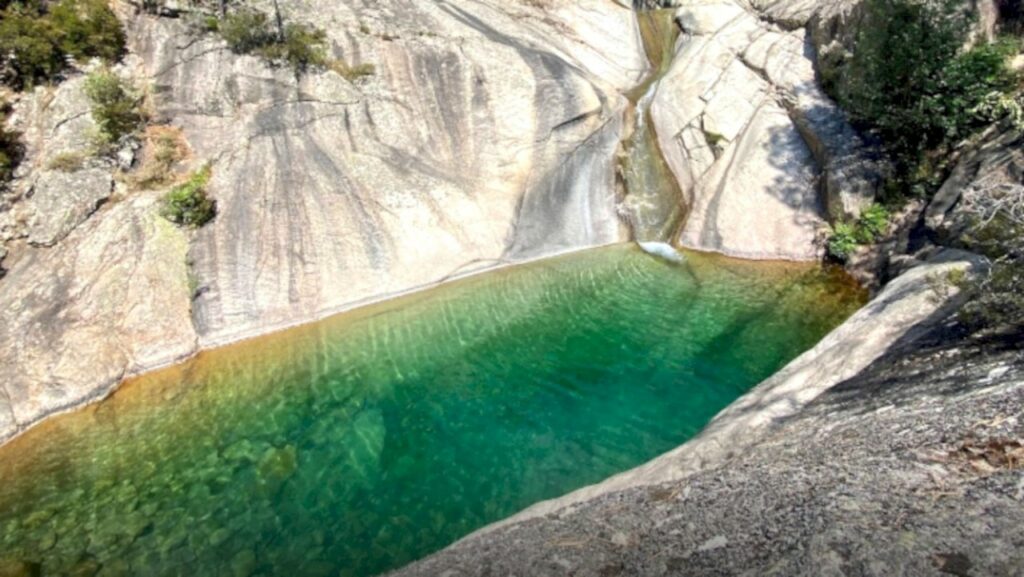
I couldn’t fail to mention one of the most beautiful ponds on the island. You should be aware that it’s often crowded, you I would get there early, to be among the first to experience the magic of the area.

You will need good walking shoes, but once you get there, you will find a corner of paradise!

Cascade des Anglais waterfall

cascade des anglais corse

The Cascade des Anglais waterfalls can be reached from Vizzavona hill. This gorgeous waterfall is at an altitude of 1130 m, so it’s rather cool up there, as is the water!

To get there, you’ll have to walk for a while along the GR20. From the Vizzavona parking area, take the forest route towards the ruins. It’s a 30 to 35-minute walk, quite easy, but a bit uphill.

You can also get there from Vizzavona train station. The path is well marked and shaded, and takes about 1h30. The walk is really worth it, and the temperature is always nice.

A nice alternative to the sea

Wherever you stay in Corsica, you will find at least one natural pool near. You can also go canyoning down these rivers, which are very safe.

If you feel like taking a break from the beach and getting some cool air, don’t miss beautiful inland Corsica.

And if you are looking for more ideas for your Corsica vacation, don’t miss all our articles on experiences, gastronomy and things to see around Ajaccio and Bastia.

Why not discover Corsica, the “Ile de Beauté” (The Island of Beauty), through hiking? There are all kinds of hikes in Corsica, from the world-famous GR20 to kid-friendly ones. Let me tell you about hikes I have done and loved.

Truth be told, I’m not a great sportswoman and I love easy hikes, when I can take the time to take videos and photos, or just LOOK AROUND! I’m always at the back of the group, but I always have the most photos!

Hikes in Piana

From the Dog’s Head to the Fortified Castle

I have wonderful memories of this hike, because it was the first weekend our restrictions were lifted after the 2020 lockdown. Being outdoors, under the blue sky, was wonderful, and we were practically on our own in the rocky inlets of Piana.

This is a short hike, a one-hour round trip, which is suitable for children. The hike starts in an oak forest, with granite boulders smoothed down by time and erosion.

The view over the Bay of Porto at the start is breath-taking. This view of the Mediterranean after 2 months in lockdown was like a “Get out of Jail Free” card!

calanques piana

I thought I found a fortified castle, but in fact it’s an impressive block of granite resembling one. Another rock looks like a dog’s head. In Piana, every rock looks like something else.

Calanche and Piana forest

foret de piana

This hike starts from Piana stadium, outside the village.

To reach this beautiful view and admire the rocky inlets from high up, you’ll have to climb. The incline is 600m. The path is very well delimited, between undergrowth and sunny areas.

When you come back, I recommend going down towards Roches bleues. This route goes into the forest: in the summer, you will be in the shade, but in January you may encounter some ice! What’s interesting about this path is the main views of the rocky inlets you will find.

The round trip is 9km, and takes between 4.5 to 5 hours.

The old mule path

sentier muletier piana

Starting again at the stadium, but from the crossroads, go ahead rather than climbing to the right.

In the 19th century, Piana locals who wanted to go to Porto took this path, as the route between the inlets did not exist. The path is paved and buttressed by drywall. At the top, you will be rewarded with a superb view.

This is an easy hike, about an hour and a half long, with a 250m incline.

We completed these two hikes on the same day, last January, the first going down to the inlets at Roches Bleues, and then taking the mule path on our way back. It’s very doable.

Hikes in Vergio

Nino Lake

lac de nino corse

Nino Lake is earned, and here I’m talking to an expert audience. I did this hike in September a few years ago, but it was tough as the incline is 690m!

When you leave the Poppaghia forest house, you follow a path through the forest that gently goes up around the Orsu Longu ridge. It was then I thought that it wasn’t so hard after all… But then there’s more forest that shades you, and a quite steep slope with stones that slip under your feet and make it hard to get through. Experienced GR20 hikers won’t bat an eyelid, but if you are a novice, get ready to suffer!

Discovering a glacial lake and its pozzines (pools) is worth the effort.

For me, it’s doable (if I’ve done it, anyone can), taking your time and departing early to have a picnic by the lake. For these 10km, allow some 5 or 6 hours for the round trip. This hike may be considered difficult.

A bit of the GR20

There are some easy hikes at the level of the Castel Vergio hotel. Starting with the hotel behind you and to your left, you can start several routes. Some time ago, I did a bit of the GR20 hike towards Nino Lake – it’s easy and specially very pleasant, as the path is well delimited and follows the ridges.

HIKES IN THE Agriates DESERT

Here are several nice hikes you can do following the routes that the customs officials used to take when looking for smugglers.

You can start your hike from St-Florent and La Roya beach, or take the shuttle to Lodu or Saleccia beaches.

plage du lodu agriate

You can go to Ostriconi beach if you like to walk: it takes some ten hours from Saleccia and some 30km one way.

I was less ambitious, and walked from Saleccia beach to Ghignu beach. It’s a beautiful walk, 11km as a round trip, by the sea, with several idyllic coves where you can take a swim to cool down.

This hike, which has hardly any incline, is suitable for everyone. You can smell the fragrances of the Corsican maquis, the famous Corsican immortelle flowers, but in the autumn, you will find arbutus and myrtle. No shade here, so don’t forget your hat!

agriate corse

In November, we stopped at Trave beach, where we took a spuntinu (a picnic in Corsican) in the shade of an old sheep pen that resembles Robinson Crusoe’s hut. We were true Robinsons, alone in the world, with the infinite turquoise sea in front of us!

Hikes near Ajaccio

The Ridge route

This hike is a beautiful walk frequented by Ajaccio locals. It is suitable for everyone, including as a family walk.

You walk high above the town, finding yourself in the middle of cacti, to cross a more arid area. The starting point is Bois des Anglais.

The view of the town and bay of Ajaccio town is amazing. As you go on, you will find the route of the Sanguinaires. Follow the ridges to have a view of the entire Bay of Ajaccio.

baje d'ajaccio

You can then turn back and go down to the town again, or continue to La Parata.

Spring is the best time of year to do this hike as it is not too hot yet. In the summer, it’s best to do it at the end of the day, just do the first part, and watch the glorious sunset on the Sanguinaires Islands. You will find then that their name comes from their tawny hues at the end of the day.

From La Parata to the Sanguinaires it’s slightly over 11km as a round trip, and a 550m incline.

Coti Chiavari prison

coti chiavari

I have done this hike to Coti Chiavari prison, to the south of the Bay of Ajaccio, in May, and temperatures were just right. It’s not very difficult, and you can take the children with you.

You start at Mare e Sole. Follow the myrtle path through a forest of cork trees. You will cross a small brook, where you’ll see the ruins of an old oil mill.

Then you will reach a larger, flat path, and have a glorious view of the silvery beach. Then take the route flanked by eucalypt trees that goes up to the prison. On the way there, you will find the remains of the prison cemetery, with some tombs of past convicts.

At the top of the track, turn left to reach an esplanade (look out for very tall pine trees), from which you will have an amazing view of the entire Bay of Ajaccio. If you have taken the path across the ridges, you will find yourself facing the other side of the Bay!

coti chiavari vue

Hike at Alta Rocca

Piscia di Gallu waterfall

piscia di gallu corse

This last hike goes up to Alta Rocca, near Ospédale Lake. The incline is very slight, 110m, and the round trip is 4.6k, about 1h40.

You reach it from the (paid) parking area about 1km to the north of the lake.

On the way, you will come across a ford (you cross through the rocks), and at the top, you will find an amazing balancing stone. But, above all, a stunning view of the Tyrrhenian Sea.

During the first part of the hike, you will walk under the shade of Lariccio pines but then it’s all rocks in the sun. The end of the route requires some technical skill, as the ground is covered in pebbles as well as a tangled roots, so watch where you step! Finally, you will reach this wonderful waterfall. Of course, in the autumn it’s much less impressive!

Hiking in Corsica

Hiking is a great way to discover the Island of Beauty. This mountainous island offers very different landscapes, and particularly the heights to properly admire them.

And don’t forget to put on sun cream, take enough water, and wear a cap!

Going on a family holiday to Southern Corsica, and are after things to do with the kids apart from going to the beach? It gets hot in summer, and the kids are at their happiest on the beach, it’s true. But if you’re not keen on sand or if you go in spring, there’s still a whole load of things for both kids and grownups to discover.

Here are my suggestions for outdoor activities that the whole family can enjoy. Holidays are a time to unwind, everybody knows that, and Corsica offers a picturesque natural setting in which to do so.

Arriving via Figari or Ajaccio

For a stay in Southern Corsica, you can choose between touching down in Figari in the south of Corsica, or in Ajaccio. In Figari you’ll be close to Porto-Vecchio and Bonifacio, but also Propriano and Sartène. Ajaccio will land you 70km away from Propriano, and 135km from Bonifacio.

Family Activities in the Extreme South of Corsica

The Lavezzi Islands

In the south east of Bonifacio you’ll find the Archipelago of Lavezzi, which you can visit by boat from Bonifacio. Stopover on Lavezzu island and discover its idyllic beaches. Remember your snorkelling mask and explore the seabeds. These islands are a nature reserve and part of a protected marine area, so fishing there is prohibited. It’ll take about an hour to walk around this nearly deserted island, following the mandatory marked trail – just don’t pick any flowers (or anything, for that matter).

About an hour later, you can catch the next boat. The return trip takes an hour, instead of the half an hour it took you to arrive to the island. Your cruise comes with a commentary as you discover Cavallo island and the coastline of the extreme south, and you can admire the cliffs of Bonifacio from the sea.

isole lavezzi

Discover the Prehistoric Site of Filitosa

The site of Filitosa is found in the north of Propriano, near the village of Sollacaro on the D57. A great thing about this prehistoric site is that it appeals to all ages.

Though discovered in 1946 buried in the scrubland, it wasn’t until 1954 that excavation began. It revealed a part of Corsica’s history, with its granite menhirs and pottery dating back three centuries before our time. The level of detail on the menhir statues, which you’ll see on the helmet or the weapons carved out there, is impressive. You can also discover the Torréen monuments and the village of granite huts. In the museum, you’ll have the chance to view at all the artefacts discovered at this site. 

Bring the kids to visit this site, which will immerse them naturally in the megalithic era. The family price covers two adults and two children.

menhir filitosa

A Donkey Ride in Alta Rocca

It’s worth a detour to Alta Rocca to admire its beautiful countryside, and it’s easily accessible from Sotta, which is next to Figari, by taking the D59 road.

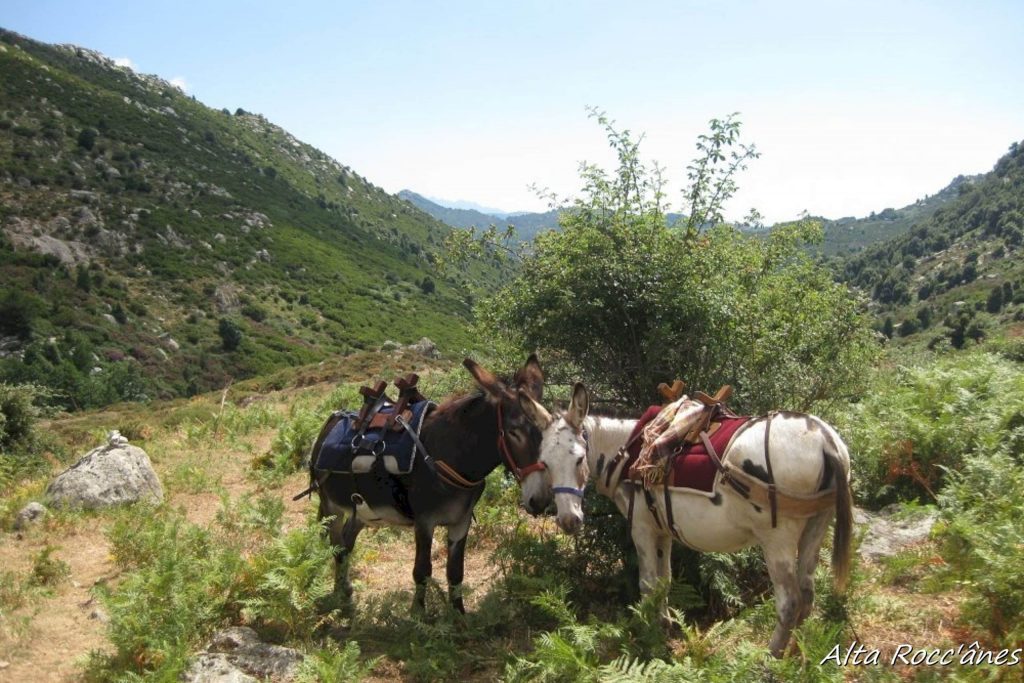
Alta Rocc’ânes is located in Serra di Scopamène and offers full or half-day hikes along the paths around the village. Kids need to be aged three or over to ride the donkeys. You can also opt for just an introductory version of this activity, allowing you to discover the farm and its surroundings.

This small farm is something the kids will love. Donkeys, as well as goats, ewes, ponies, chickens, rabbits, and even pigs, as well as explanations throughout the trail, will teach the kids about the daily routines and activities of farm life.

alta rocca ânes

A Ride on a Transparent Sea Kayak

On Pinarello beach, to the north of Porto-Vecchio, you can hire transparent sea kayaks. It’s an amazing way to discover the seabeds as you drift over the water. Naturally, all children must be accompanied by an adult.

Adventure Park Near Porto-Vecchio

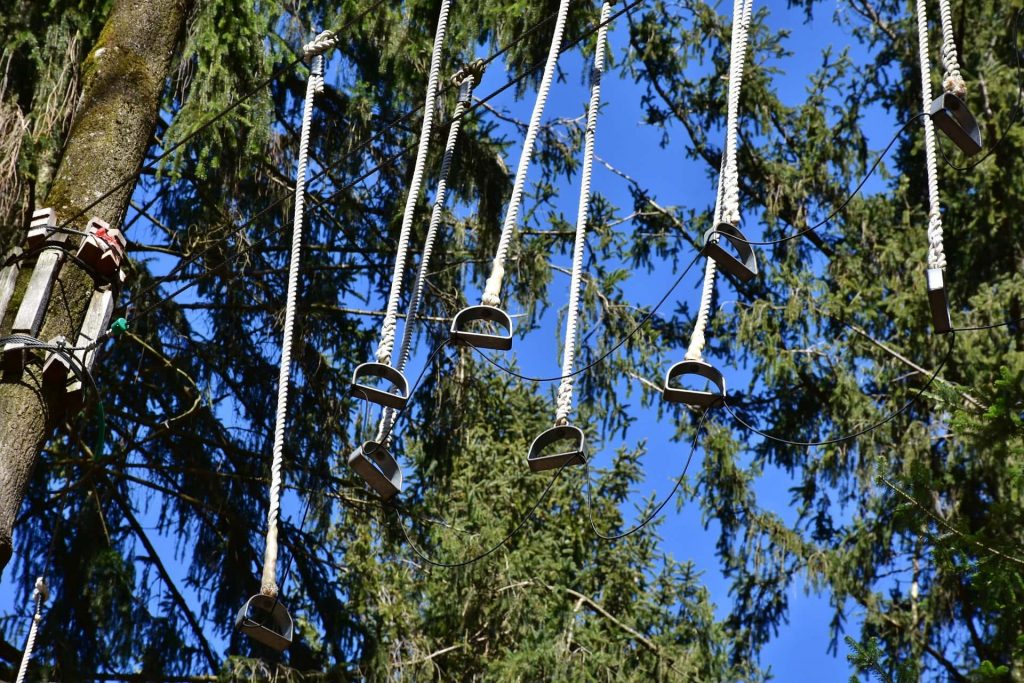
The A Tyroliana adventure park is located 23km away in the north of Porto-Vecchio, and you can get there via the D168A to Sainte-Lucie-de-Porto-Vecchio. This park, which opens from April to the beginning of November, is full of activities your children will love: treetop adventure courses, canyoning, electric scooters, and paintball. 

This 10-hectare park, located on the bank of a river and surrounded by nature, will thrill kids and grownups alike. The youngest of the bunch (under 3 years of age) can play in the fortified wooden castle, or go on the swings, the slide, etc.

  • There are 10 treetop adventure courses, two of which 3 year olds can go on, and then there are some for 5 year olds, some for 9 year olds, and others for older and more sporty people.
  • Canyoning is aimed at children 7 and up. There are four different trails taking you along to discover gorgeous waterfalls and natural swimming pools. 
  • The electric scooters are aimed at children older than 10. Naturally, on these hikes you’ll be accompanied by a guide.
  • Paintballing takes place out in the countryside, and anyone 8 or above can take part. You can take part in this activity as a family, in teams of 2 to 24 players.

Family Activities Around Ajaccio

The A Cupulatta Turtle Village

This turtle village is the only one of its kind in Europe. It’s located 20km from Ajaccio, on the T20, towards Bastia.

The A Cupulatta park (‘cupulatta’ means turtle in Corsican), located in a 2.5 hectare nature reserve, is home to no less than 170 different species covering a total of over 3000 animals. They raise, study and protect turtles from all over the world. Your children will be thrilled to learn about how different kinds of turtles feed themselves, how they reproduce, … It might even end up being the topic of their next school presentation!

Turtles hibernate, so the park is closed for winter from mid-November. From April to October, A Cupulatta is open 7 days a week, even on public holidays.

Intro to Rock Climbing in Ajaccio

You always need an indoor activity for the kids in case it rains (and believe it or not, that does happen).

Bloc Session, located in Mezzavia in the outskirts of Ajaccio, has 150 climbing boulders for every level, covering a surface area of 400 m2. Yann loves helping little ones discover this sport by offering introductory courses for children from 4 to 6 years old, and for 7 to 14 year-olds. 

Who knows, maybe in a few years they’ll give climbing one of Corsica’s mountains a go?

A Visit to the Naporama Museum in Ajaccio

The very small Naporama Museum in Ajaccio is a treat not just for children, but grownups too. It’s themed around Napoleon and his history, telling his tale with scenes which have been recreated with Playmobil®

This is a chance to get to grips with Napoleon’s history, and history in general. As you go along the recreated scenes, the passionate owner will be telling you all about the history behind them. It’s best to call ahead and book a visit in advance.

Visiting Southern Corsica as a Family

This is just an overview of the different activities you can share with your children.

Depending on the mountain trail, you may come across animals such as pigs, goats, cows or donkeys, and though this may not be an activity in itself, it’s a change of scenery from everyday life…

Whatever you choose, Corsica is the perfect place for family holidays, and an excellent way to reconnect with nature.

SHALL WE INSPIRE YOUR NEXT TRIP?