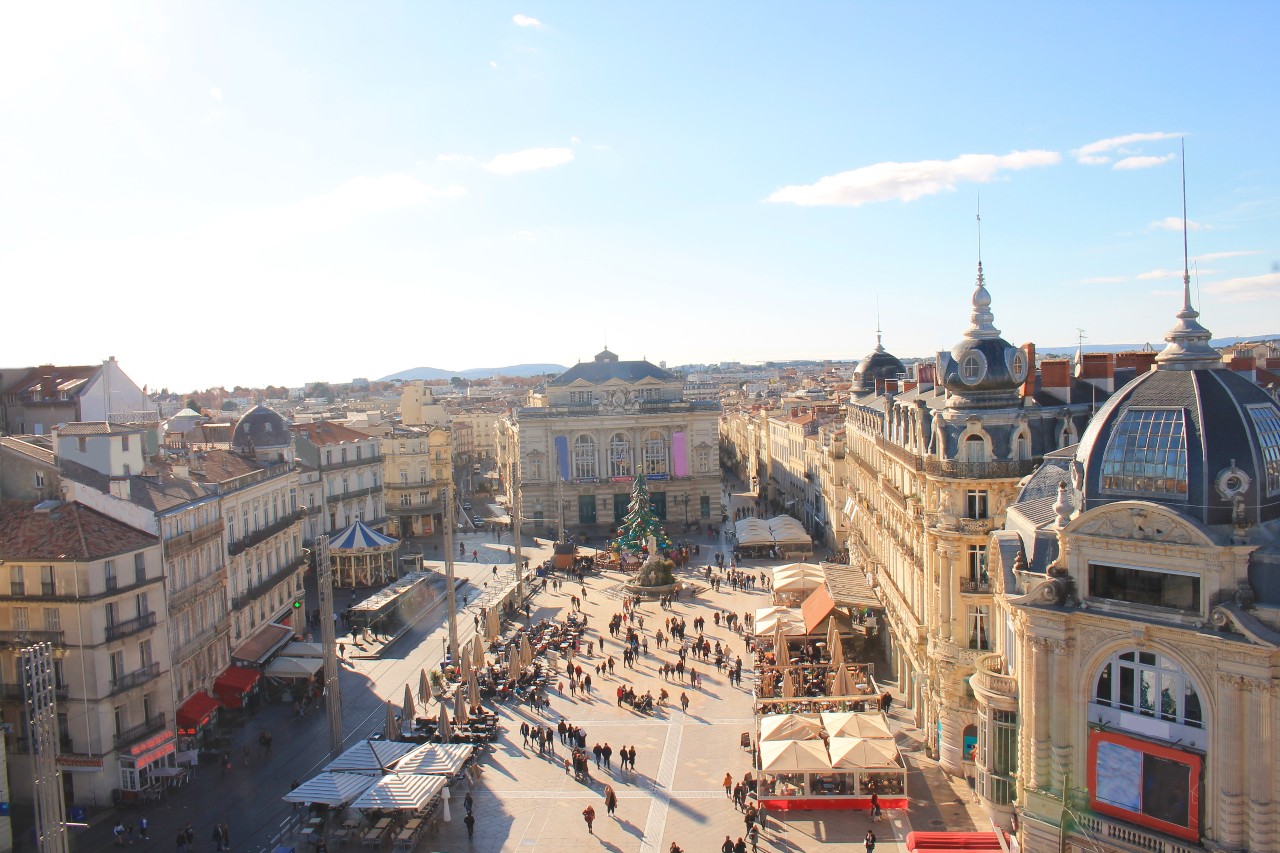
South-West France is well known for its art de vivre, largely centred on its local gastronomy. Nouvelle-Aquitaine is a vast agricultural region that yields outstanding local produce. There are over a hundred regional specialities that are a perfect match for the wines of Bordeaux.
I couldn’t possibly describe them all, so I’ll just mention a brief, non-exhaustive list of what you can try during your stay in Bordeaux.
Cured ham

Let’s start with a classic favourite on our charcuterie boards: cured ham (jambon cru). It is dried and matured for many months in maturing cellars, before being thinly sliced. The most sought-after ham is from Noire de Bigorre pigs. A Pyrenean breed reared in open woodland. However, Bayonne ham, which is mainly produced in the Basque Country, is easier to find.
Where can you try it?
- The Bar à Vin of the Bordeaux Wine Council (CIVB), 3 Cours du 30 Juillet, Bordeaux (opposite the Tourism Office)
- Delicatessen – Gastronomie des Pyrénées, 12 Cours Portal, Bordeaux
Duck meat
If there’s one iconic product from the South-West, it’s duck. There is a host of free-range farms in neighbouring departments. They are generally fed whole corn kernels, giving them their delicious flavour. This also allows the famous foie gras to be produced! Be sure to buy a whole preserved block, which you can then cut into thin slices on bread or brioche toast. It can be garnished with chutney, onion compote or simply fleur de sel sea salt. It’s a real treat!

Where can you try it?
- La Brasserie Bordelaise, 50 Rue Saint-Rémi, 33000 Bordeaux
You can also try other parts of the duck, like grilled magret (breast) on the skin, cooked “rosé”, skewers of marinated duck heart or duck leg confit with fries cooked in duck fat. If this isn’t making your mouth water yet, you must be a vegetarian. In that case, let’s move on to the vegetables.
Asparagus from Blaye and the Landes region
This plant is particularly at home in our region’s sandy soils. Our local asparagus grows in the shade, under mounds of earth, which ensures that it keeps its beautiful pearly white colour. Once it reaches the surface, it turns green or purple. The first vegetable of spring, it can be found in abundance from March on the tables of Aquitaine.
Mushrooms
Thanks to its generally rainy, oceanic climate (let’s face it), the region is ideal for harvesting mushrooms. The best known is Cèpe de Bordeaux variety.

This delicious boletus can be cooked in a number of ways: carpaccio, pan-fried, risotto, etc, … It is a frequent ingredient in sauces and dishes from autumn onwards. More rarely, you may also find chanterelles. Another highly coveted variety is the Périgord black truffle. It grows in the neighbouring Dordogne department, but sometimes finds its way to Bordeaux’s top gourmet restaurants. Last but not least, I’ve been told that some people have resumed production of white mushrooms and shiitakes in the old quarries on the right bank.
Oysters from Cap-Ferret Bassin d’Arcachon and Marennes Oléron
These are the region’s superstars. The local Bordelais love to eat them on public holidays, Sunday mornings or the day after a night out (often all three at the same time). All excuses are good ones, especially as oysters are extremely refreshing and generally eaten raw, with a squeeze of lemon juice or a shallot vinaigrette, plus some bread and butter.

There’s nothing quite like it for a healthy boost. Oysters reproduce naturally in the Arcachon Basin (less than an hour from Bordeaux), where they are reared and harvested by oyster farmers. They can be a little milky in summer, but that doesn’t stop some people enjoying them that way. They pair nicely with a small glass of dry white Bordeaux or Entre-deux-Mers wine (in moderation).
Where can you try them?
- Restaurant Le Petit Commerce, 22 rue du Parlement Saint-Pierre, Bordeaux
- Marché des Capucins or Halles de Bacalan
Fish from the Gironde estuary
One of Bordeaux’s signature dishes is lamprey à la Bordelaise. An eel-like fish with a prehistoric appearance, but with a large mouth bearing several rows of teeth. This allows it to latch on to other animals and suck their blood! Put like that, it sounds a bit scary, I must admit. This fish is cooked like game, in a red wine sauce also made with the animal’s blood, sugar and sometimes chocolate to reduce its bitterness. It’s quite unusual, but it really is a unique taste experience to enjoy during your stay in Bordeaux. Lamprey is usually served with leeks (sometimes wild ones that grow in the rows of vineyards) or mashed potatoes, which go perfectly with the sauce.
Where can you try it?
- Restaurant La Tupina, 6 Rue Prte de la Monnaie, 33800 Bordeaux
A far more familiar fish among food lovers is the sturgeon. Although it still inhabits the estuary in the wild, it is critically endangered. That is why it is now farmed to provide the delicious Aquitaine caviar, but also for its excellent meat.
Where can you try it?
- Caviar Galerie, 5 rue Martignac, Bordeaux
Piballe (or elver) can also be found when in season. An extremely scarce, costly and highly sought-after delicacy. These juvenile eels measure less than 5 centimetres long and swim up the river following the tide, after a long migration from the Sargasso Sea. Piballe is simply fried in olive oil with a little garlic, salt and pepper.
Cheeses from Nouvelle-Aquitaine

Before moving on to dessert, you can’t skip the cheese. To do so would be a sacrilege in France. The region boasts some outstanding goat’s cheeses, including Rocamadour, Cabécou and Chabichou du Poitou. For those who love blue-veined cheeses, try the delicious Bleu d’Auvergne. However, the most common cheese platters served in our wine bars are Pyrenean ewe’s milk cheeses, like Ossau Iraty.
Bordeaux’s Cannelé pastries

It would be impossible not to round off this article with Bordeaux’s greatest speciality, its emblematic dessert, the cannelé. It has strong links not only with the city’s history, but also with the history of wine. In the past, egg whites were used to clarify Bordeaux wines. What do you think they did with the egg yolks? They made cannelés, of course, flavoured with cane sugar, rum and vanilla. Products unloaded at Bordeaux harbour from the West Indies. Some prefer them big and fluffy, others small and crispy. Each to their own taste, but the region’s chefs sometimes create savoury versions with chorizo or foie gras as an appetiser.
Where can you try them?
Other more recently introduced pastries include the famous Dunes Blanches and the Bouchon Bordelais, a small almond pastry flavoured with fine de Bordeaux (a local eau-de-vie aged in oak casks).
I hope this article has whetted your appetite, or, as we say in France “mettre l’eau à la bouche”. There are dozens of other delectable treats to try in Bordeaux, and you can find the full list of products from the Nouvelle-Aquitaine region on this website entirely dedicated to them.
As for me, I can meet you whenever you like for a tour of the vineyards or a meal at the restaurant, because I’ll never be weary of discovering and tasting all these great local products.