
Creative, Mediterranean and university-driven, Montpellier pulses with energy twelve months a year: a young city to experience like a local, sitting in the January sun and following a cultural agenda that never slows down.
There are cities you visit and others you truly live. Montpellier clearly belongs to the latter. A dynamic prefecture of southern France, just a few kilometres from the Mediterranean, it blends history and modernity with an energy that’s hard to explain… but easy to feel. This is not a city of solemn monuments or rigid itineraries: here, the plan is to wander, observe, sit on a terrace and soak up its youthful rhythm.

Much of this vitality surges from a specific source: the university. With over 70,000 university students — one of the largest student bodies in France — Montpellier remains young all year round, even in winter. The streets don’t empty as the tourist season comes to a close; on the contrary, local life continues naturally. For travellers seeking an authentic, relaxed and cultural getaway, this is the perfect time to discover one.
The university, the city’s cultural and social heart
Founded in the 13th century, University of Montpellier is one of Europe’s oldest. Far from being a relic of the past, it now drives the city’s creative and social life. Faculties, libraries, research centres and dorms shape the urban landscape and fuel a lively, accessible cultural scene.
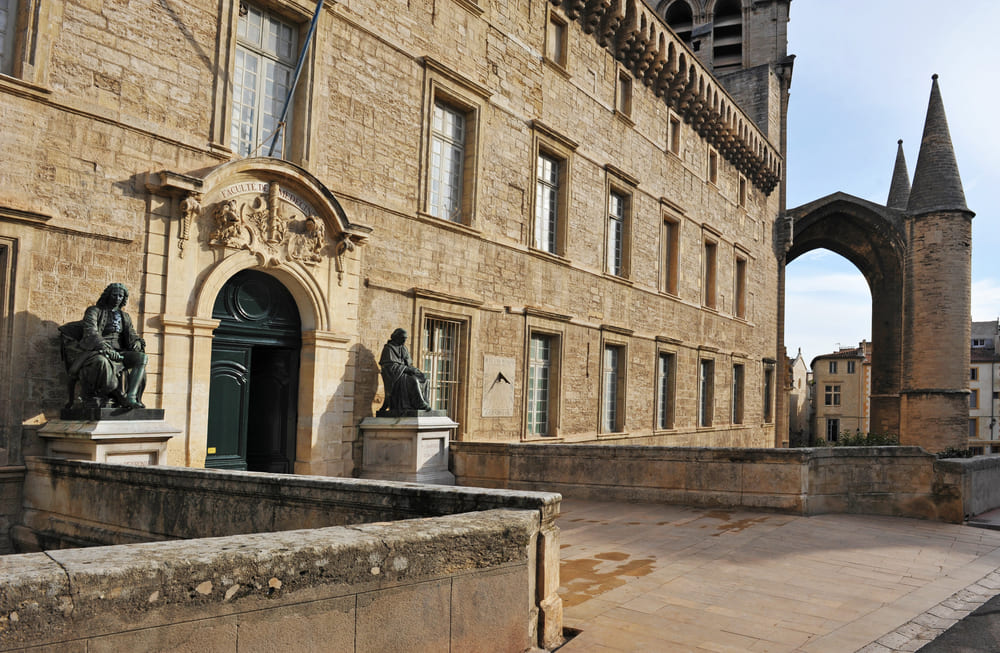
Thanks to this academic ecosystem, Montpellier pulses with diversity and new ideas. Open debates, original-language cinema, impromptu concerts, temporary exhibitions and alternative cultural projects are part of its everyday life. Those who visit the city are not visiting a museum, but rather a place in constant motion, where something interesting is always happening — even on an ordinary Tuesday in January.
Neighbourhoods with local soul: where everyday life unfolds
Écusson: the historic heart that never sleeps
Montpellier’s old town, known as Écusson, is a maze of medieval streets, small squares and honey-coloured façades. Students, long-time residents and curious tourists coexist here. By day, it’s perfect for getting lost without a plan; by night, terraces fill with lively conversations and shared drinks. Independent bookshops, charming cafés (like the fantastic Broc Café) and small galleries make this neighbourhood essential to understanding the city.

Beaux-Arts: creative, alternative and authentic
Northeast of the centre, Beaux-Arts is one of the favourite neighbourhoods for students and local artists. Quieter than Écusson, it retains a very appealing bohemian spirit. Urban murals, creative studios, a local market and unpretentious bars define its character. It’s the perfect place to sit and watch local life, discovering a less obvious but deeply authentic Montpellier.

Port Marianne: the Montpellier of the future
Designed by renowned architects, Port Marianne represents the city’s most contemporary side. Wide avenues, avant-garde buildings, parks along the Rives du Lez and a young population have made it one of Montpellier’s most dynamic districts. Students, creative professionals and families mix here in a modern, sustainable and distinctly Mediterranean atmosphere.
Architecture lovers will feel at home: highlights include the Mantilla by Jacques Ferrier, the Nuage by Philippe Starck and the water mirror at the RBC Design Centre.

Cafés, bookshops and markets: daily rituals
If one thing defines life in Montpellier, it’s the pleasure of everyday moments. Even in winter, when the sun comes out — and it often does — terraces quickly fill up. Coffee in hand, laptop open or book tucked under an arm, locals enjoy their time out without rushing.
Independent bookshops, such as the charming Le Grain des Mots, are an essential part of the urban landscape: places to browse new releases, attend talks or simply take refuge for a while. Just steps away, covered and open-air markets like Les Halles Castellane offer local produce, ready-made food and that informal atmosphere where students and residents cross paths every day.
Travelling to Montpellier “like a local” means exactly that: adopting its rhythms, picking up something for an impromptu urban picnic or sitting back and watching life go by.
A cultural agenda with no off-season
Thanks to its young population and strong institutional commitment to culture, Montpellier maintains an active cultural calendar throughout the year. Concerts in small venues and major theatres, independent film festivals, temporary exhibitions, contemporary dance and theatre are part of everyday life.

Each spring, the city further reinforces its cultural identity with La Comédie du Livre, the major literary festival held every May, which transforms its squares, bookshops and public spaces into meeting points for authors, readers and publishers: yet another example of how culture is lived out in the open and forms part of the city’s identity.
Other notable cultural events include:
- Festival Radio France Occitanie Montpellier (July)
One of the main cultural events in the South of France. Classical, jazz, and contemporary music concerts are held in theatres and urban spaces. - Cinemed – Mediterranean Cinema Festival of Montpellier (October)
Auteur cinema, Mediterranean perspectives, and a strong presence of students and young creators. - Montpellier Danse (June July)
An international contemporary dance festival, with performances in theatres and public spaces. - Les Boutographies (spring)
A festival dedicated to emerging, alternative European photography, particularly relevant to young and university audiences.

Montpellier in winter: sunshine, calm and authenticity
Visiting Montpellier outside the summer months means discovering its most genuine side. The mild climate allows for easy walks, sitting in the sun in January and enjoying the city without crowds. It’s the ideal time for visitors to explore its neighbourhoods, visit its museums, attend local events and, above all, experience the city at their own pace.
There’s no need for an endless checklist of must-sees here. Montpellier is best enjoyed slowly, letting its youthful energy and relaxed lifestyle set the tempo.
If this journey into the university heart of the French Mediterranean has inspired you, we invite you to discover other destinations perfect for a getaway at any time of year. Simply keep exploring the articles on Volare and follow your desire to travel.


